Epstein Files Full PDF

CLICK HERE
Technopedia Center
PMB University Brochure
Faculty of Engineering and Computer Science
S1 Informatics S1 Information Systems S1 Information Technology S1 Computer Engineering S1 Electrical Engineering S1 Civil Engineering

faculty of Economics and Business
S1 Management S1 Accountancy

Faculty of Letters and Educational Sciences
S1 English literature S1 English language education S1 Mathematics education S1 Sports Education
teknopedia

  • Registerasi
  • Brosur UTI
  • Kip Scholarship Information
  • Performance
Flag Counter
  1. World Encyclopedia
  2. Philhellenism
Philhellenism
From Wikipedia, the free encyclopedia
(Redirected from Philhellenes)
19th-century intellectual movement
Not to be confused with Laconophilia.
icon
You can help expand this article with text translated from the corresponding article in Greek. (May 2021) Click [show] for important translation instructions.
  • View a machine-translated version of the Greek article.
  • Machine translation, like DeepL or Google Translate, is a useful starting point for translations, but translators must revise errors as necessary and confirm that the translation is accurate, rather than simply copy-pasting machine-translated text into the English Wikipedia.
  • Do not translate text that appears unreliable or low-quality. If possible, verify the text with references provided in the foreign-language article.
  • You must provide copyright attribution in the edit summary accompanying your translation by providing an interlanguage link to the source of your translation. A model attribution edit summary is Content in this edit is translated from the existing Greek Wikipedia article at [[:el:Φιλέλληνες]]; see its history for attribution.
  • You may also add the template {{Translated|el|Φιλέλληνες}} to the talk page.
  • For more guidance, see Wikipedia:Translation.
The Massacre at Chios by Eugène Delacroix reflects the attitudes of French philhellenism.

Philhellenism ("the love of Greek culture") was an intellectual movement prominent mostly at the turn of the 19th century. It contributed to the sentiments that led Europeans such as Lord Byron, Charles Nicolas Fabvier and Richard Church to advocate for Greek independence from the Ottoman Empire.

The later 19th-century European philhellenism was largely to be found among the Classicists. The study of it falls under Classical Reception Studies and is a continuation of the Classical tradition.

Antiquity

[edit]
Coin of Mithridates I of Parthia from the mint at Seleucia on the Tigris. The Greek inscription reads ΒΑΣΙΛΕΩΣ ΜΕΓΑΛΟΥ ΑΡΣΑΚΟΥ ΦΙΛΕΛΛΗΝΟΣ ("[coin] of the great king Arsaces, friend of the Greeks")

In antiquity, the term philhellene ("the admirer of Greeks and everything Greek"), from the (Greek: φιλέλλην, from φίλος - philos, "friend", "lover" + Ἕλλην - Hellen, "Greek")[1] was used to describe both non-Greeks who were fond of ancient Greek culture and Greeks who patriotically upheld their culture. The Liddell-Scott Greek-English Lexicon defines 'philhellene' as "fond of the Hellenes, mostly of foreign princes, as Amasis; of Parthian kings[...]; also of Hellenic tyrants, as Jason of Pherae and generally of Hellenic (Greek) patriots.[1] According to Xenophon, an honorable Greek should also be a philhellene.[2]

Some examples:

  • Evagoras of Cyprus[3] and Philip II were both called "philhellenes" by Isocrates[4]
  • The early rulers of the Parthian Empire, starting with Mithridates I (r. 171–132 BC), used the title of philhellenes on their coins, which was a political act done in order to establish friendly relations with their Greek subjects.[5]
  • Following the example of the Parthians, Tigranes adopted the title of Philhellene (friend of the Greeks). The layout of his capital Tigranocerta was an example of Greek architecture.

Roman philhellenes

[edit]
See also: Scipionic Circle

The literate upper classes of Ancient Rome were increasingly Hellenized in their culture during the 3rd century BC.[6][7][8]

Emperor Julian

Among Romans the career of Titus Quinctius Flamininus (died 174 BC), who appeared at the Isthmian Games in Corinth in 196 BC and proclaimed the freedom of the Greek states, was fluent in Greek, stood out, according to Livy, as a great admirer of Greek culture. The Greeks hailed him as their liberator.[9] There were some Romans during the late Republic, who were distinctly anti-Greek, resenting the increasing influence of Greek culture on Roman life, an example being the Roman Censor, Cato the Elder and Cato the Younger, who lived during the "Greek invasion" of Rome but towards the later years of his life he eventually became a philhellene after his stay in Rhodes.[10]

The lyric poet Quintus Horatius Flaccus, often anglicized as Horace, was another philhellene. He is notable for his words, "Graecia capta ferum victorem cepit et artis intulit agresti Latio" (Conquered Greece took captive her savage conqueror and brought her arts into rustic Latium), meaning that after the conquest of Greece the defeated Greeks created a cultural hegemony over the Romans.[citation needed]

Horace's contemporary lyric poets, Virgil and Ovid, both produced magnum opuses (the Aeneid and the Metamorphoses, respectively) which were substantially founded upon Hellenic references and culture. Additionally, Virgil's Eclogues were inspired by Theocritus' earlier pastoral poetry in his idylls. The Aeneid, Virgil's story of Rome's founding myth, notably shares several similarities with Homer's earlier epics, particularly the Odyssey, one of which being both his epic and the Odyssey follow a demigod protagonist's military voyage after the Trojan War. It also was influenced by Homer's Iliad; for example, the ekphrasis of Achilles' divine shield from his mother, Thetis, was mirrored by the ekphrasis of Aeneas' divine shield from his mother, Venus.[11] Ovid's work was perhaps even more influenced by ancient Greek culture than Virgil; his Metamorphoses were inspired by the Greek epic tradition and metamorphosis poetry in the Hellenistic tradition, and its content was derived to a large extent from Greek myth and folklore, including the Trojan War. Ovid's treatment of Greek myths was so impactful for later Philhellenism, especially during the Renaissance, that the well-known versions of some myths are actually Ovid's versions (e.g. Echo and Narcissus). Soon after these writers, other Roman lyric poets such as Lucan (inspired by Greek epics with his Pharsalia) or Persius (heavily inspired by Horace with his Life) continued to exhibit strong interests and admirations for Greek literary, artistic, and religious culture.

Roman emperors known for their philhellenism include Nero, Hadrian, Marcus Aurelius and Julian the Apostate.

Modern times

[edit]
See also: Classical tradition and Classics
The Reception of Lord Byron at Missolonghi by Theodoros Vryzakis
Victor Hugo, a well-known philhellene

In the period of political reaction and repression after the fall of Napoleon, when the liberal-minded, educated and prosperous middle and upper classes of European societies found the Romantic nationalism of 1789–1792 repressed by the restoration of absolute monarchy at home, the idea of the re-creation of a Greek state on the very territories that were sanctified by their view of Antiquity—which was reflected even in the furnishings of their own parlors and the contents of their bookcases—offered an ideal, set at a romantic distance. Under these conditions, the Greek uprising constituted a source of inspiration and expectations that could never actually be fulfilled, disappointing what Paul Cartledge called "the Victorian self-identification with the Glory that was Greece".[12] American higher education was fundamentally transformed by the rising admiration of and identification with ancient Greece in the 1830s and afterward.[13]

Another popular subject of interest in Greek culture at the turn of the 19th century was the shadowy Scythian philosopher Anacharsis, who lived in the 6th century BC. The new prominence of Anacharsis was sparked by Jean-Jacques Barthélemy's fanciful Travels of Anacharsis the Younger in Greece (1788), a learned imaginary travel journal, one of the first historical novels, which a modern scholar has called "the encyclopedia of the new cult of the antique" in the late 18th century. It had a high impact on the growth of philhellenism in France: the book went through many editions, was reprinted in the United States and was translated into German and other languages. It later inspired European sympathy for the Greek War of Independence and spawned sequels and imitations throughout the 19th century.

Friedrich Nietzsche, was one of the most staunch philhellenes.[14] He wrote that: "the Greek is the man who has achieved the most", "the Greek people are the only people of genius in the history of the world", "the Greeks have never been overestimated", "the Greek antiquity is the only true home of culture" and that "the Greek world is seen as the one truly profound possibility of life". Nietzsche was convinced that "the knowledge of the great Greeks" educated him.[15]

In German culture the first phase of philhellenism can be traced in the careers and writings of Johann Joachim Winckelmann, one of the inventors of art history, Friedrich August Wolf, who inaugurated modern Homeric scholarship with his Prolegomena ad Homerum (1795) and the enlightened bureaucrat Wilhelm von Humboldt. It was also in this context that Johann Wolfgang von Goethe and Friedrich Hölderlin were to compose poetry and prose in the field of literature, elevating Hellenic themes in their works. One of the most renowned German philhellenes of the 19th century was Friedrich Nietzsche.[14] In the German states, the private obsession with ancient Greece took public forms, institutionalizing an elite philhellene ethos through the Gymnasium, to revitalize German education at home, and providing on two occasions high-minded philhellene German princes ignorant of modern-day Greek realities, to be Greek sovereigns.[16]

During the later 19th century the new studies of archaeology and anthropology began to offer a quite separate view of ancient Greece, which had previously been experienced second-hand only through Greek literature, Greek sculpture and architecture.[17] Twentieth-century heirs of the 19th-century view of an unchanging, immortal quality of "Greekness" are typified in J. C. Lawson's Modern Greek Folklore and Ancient Greek Religion (1910) or R. and E. Blum's The Dangerous Hour: The lore of crisis and mystery in rural Greece (1970).[18]

According to the Classicist Paul Cartledge, they "represent this ideological construction of Greekness as an essence, a Classicizing essence to be sure, impervious to such historic changes as that from paganism to Orthodox Christianity, or from subsistence peasant agriculture to more or less internationally market-driven capitalist farming."[18]

The Philhellenic movement led to the introduction of Classics or Classical studies as a key element in education, introduced in the Gymnasien in Prussia. In England the main proponent of Classics in schools was Thomas Arnold, headmaster at Rugby School.[citation needed]

Nikos Dimou's The Misfortune to be Greek[19] argues that the Philhellenes' expectation for the modern Greek people to live up to their ancestors' allegedly glorious past has always been a burden upon the Greeks themselves.[18] In particular, Western Philhellenism focused exclusively on the heritage of Classical Greece, while negating or rejecting the heritage of the Byzantine Empire and the Greek Orthodox Church, which for the Greek people are at least as important.

Art

[edit]

Philhellenism also created a renewed interest in the artistic movement of Neoclassicism, which idealized fifth-century Classical Greek art and architecture,[20] very much at second hand, through the writings of the first generation of art historians, like Johann Joachim Winckelmann and Gotthold Ephraim Lessing.

The groundswell of the Philhellenic movement was result of two generations of intrepid artists and amateur treasure-seekers, from Stuart and Revett, who published their measured drawings as The Antiquities of Athens and culminating with the removal of sculptures from Aegina and the Parthenon (the Elgin Marbles), works that inspired the British Philhellenes, many of whom, however, deplored their removal.

Greek War of Independence and later

[edit]
Main article: Greek War of Independence § Philhellenism

Many well-known philhellenes supported the Greek Independence Movement such as Shelley, Thomas Moore, Leigh Hunt, Cam Hobhouse, Walter Savage Landor and Jeremy Bentham.[21]

Some, notably Lord Byron, even took up arms to join the Greek revolutionaries. Many more financed the revolution or contributed through their artistic work.

Throughout the 19th century, philhellenes continued to support Greece politically and militarily. For example, Ricciotti Garibaldi led a volunteer expedition (Garibaldini) in the Greco-Turkish War of 1897.[22] A group of Garibaldini, headed by the Greek poet Lorentzos Mavilis, fought also with the Greek side during the Balkan Wars.

  • Depiction of Philhellenes in Greece in 1822
    Depiction of Philhellenes in Greece in 1822
  • List of philhellenes who contributed during the Greek War of Independence (National Historical Museum). The first two columns from the left are the names of those having died.
    List of philhellenes who contributed during the Greek War of Independence (National Historical Museum). The first two columns from the left are the names of those having died.
  • Louis Dupré's depiction of Greek irregulars hoisting the flag at Salona
    Louis Dupré's depiction of Greek irregulars hoisting the flag at Salona
  • Panagiotis Kephalas plants the flag of liberty upon the walls of Tripolizza (Siege of Tripolitsa)" by Peter von Hess
    Panagiotis Kephalas plants the flag of liberty upon the walls of Tripolizza (Siege of Tripolitsa)" by Peter von Hess
  • Alexander Pushkin
    Alexander Pushkin
  • A statue of Lord Byron in Athens
    A statue of Lord Byron in Athens
  • Annibale Santorre di Rossi de Pomarolo, Count of Santarosa
    Annibale Santorre di Rossi de Pomarolo, Count of Santarosa
  • Karl von Normann-Ehrenfels
    Karl von Normann-Ehrenfels
  • Charles Nicolas Fabvier
    Charles Nicolas Fabvier
  • Giuseppe Rosaroll
    Giuseppe Rosaroll
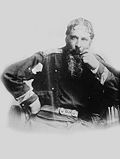
  • Ricciotti Garibaldi
    Ricciotti Garibaldi
  • Giuseppe Garibaldi II
    Giuseppe Garibaldi II
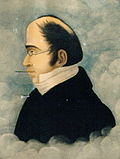
  • Henry Morgenthau Sr.
    Henry Morgenthau Sr.
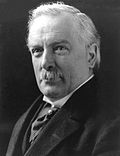
  • David Lloyd George
    David Lloyd George

Notable 20th- and 21st-century philhellenes

[edit]
  • Albert Einstein, a German-born theoretical physicist widely acknowledged to be one of the greatest physicists of all time[23][24]
  • Stephen Fry, English actor and writer[25]
  • Giuseppe Garibaldi II, Italian soldier and revolutionary, grandson of Giuseppe Garibaldi and son of Ricciotti Garibaldi[22]
  • Ricciotti Garibaldi, Italian soldier, son of Giuseppe Garibaldi[22]
  • David Lloyd George, Prime Minister of the United Kingdom[26]
  • Matthias Laurenz Gräff, austrian-greek painter, historian and politician (representative of the austrian governing party NEOS for Greece and whole Cyprus)[27][28][29]
  • Boris Johnson, former Prime Minister of the United Kingdom[30]
  • Dilys Powell, film critic, author of several books about Greece, and president of the Classical Association 1966–1967
  • Gough Whitlam, 21st Prime Minister of Australia[31]
  • Christopher Hitchens, British-American author and journalist[32]

See also

[edit]
  • Laconophilia

Notes

[edit]
  1. ^ a b Liddell, Henry George; Scott, Robert. "φιλ-έλλην". A Greek-English Lexicon. Tufts University. Archived from the original on 2021-09-17. Retrieved 2021-09-17 – via Perseus Digital Library.
  2. ^ "Xenophon "Agesilaus" (7.4)". www.perseus.tufts.edu. Retrieved 2021-07-08.
  3. ^ "Dictionary of Greek and Roman Biography and Mythology, page 54 (V. 2)". Archived from the original on 2005-12-31. Retrieved 2006-03-06.
  4. ^ "Search Tools". www.perseus.tufts.edu.
  5. ^ Dąbrowa 2012, p. 170.
  6. ^ Balsdon, J. P. V. D. (1979). Romans and Aliens. London: Gerald Duckworth & Co Ltd. pp. 30–58. ISBN 0715610430.
  7. ^ A. Momigliano, 1975. Alien Wisdom: The Limits of Hellenization.
  8. ^ A. Wardman, 1976. Rome's debt to Greece.
  9. ^ A modern assessment is E. Badian, 1970. Titus Quinctius Flamininus: Philhellenism and Realpolitik0
  10. ^ "Plutarch • Life of Cato the Younger". penelope.uchicago.edu. Retrieved 2021-06-08.
  11. ^ Kotkin, Joshua (2001). "Shields of Contradiction and Direction: Ekphrasis in the Iliad and the Aeneid" (PDF). The McGill Journal of Classical Studies. 1: 11–16.
  12. ^ Cartledge
  13. ^ Winterer, Caroline (2002). The Culture of Classicism: Ancient Greece and Rome in American Intellectual Life, 1780-1910. Johns Hopkins University Press.
  14. ^ a b Whitling, Frederick (2009). "Memory, history and the classical tradition". European Review of History: Revue européenne d'histoire. 16 (2): 235–253. doi:10.1080/13507480902767644. ISSN 1350-7486. S2CID 144461534.
  15. ^ Jaspers, Karl (1997-10-24). Nietzsche: An Introduction to the Understanding of His Philosophical Activity. JHU Press. p. 235. ISBN 978-0-8018-5779-9.
  16. ^ The history of pedagogically conservative philhellenism in German high academic culture has been examined in Suzanne L. Marchand, Down from Olympus: Archaeology and Philhellenism in Germany, 1750–1970 (Princeton University Press, 1996); she begins with Winckelmann, Wolf and von Humboldt.
  17. ^ S. L. Marchand, 1992. Archaeology and Cultural Politics in Germany, 1800–1965: The Decline of Philhellenism (University of Chicago).
  18. ^ a b c Cartledge, Paul. "The Greeks and Anthropology." Anthropology Today, vol. 10, no. 3, 1994, pp. 3–6. JSTOR, https://doi.org/10.2307/2783476. Accessed 9 June 2023.
  19. ^ Η δυστυχία του να είσαι Έλληνας, 1975.
  20. ^ It often selected for its favoured models third- and second-century sculptures that were actually Hellenistic in origin, and appreciated through the lens of Roman copies: see Francis Haskell and Nicholas Penny, Taste and the Antique: The Lure of Antique Sculpture 1500–1900 (1981).
  21. ^ Roessel, David (2001-11-29). In Byron's Shadow: Modern Greece in the English and American Imagination. Oxford University Press. ISBN 9780198032908.
  22. ^ a b c Gilles Pécout, "Philhellenism in Italy: political friendship and the Italian volunteers in the Mediterranean in the nineteenth century", Journal of Modern Italian Studies 9:4:405–427 (2004) doi:10.1080/1354571042000296380
  23. ^ Tucci, Nicolo (15 November 1947). "The Great Foreigner". The New Yorker. Archived from the original on 2021-01-01.
  24. ^ "Classics" (PDF). Stanford University.
  25. ^ Stephen Fry [@stephenfry] (April 21, 2021). "Truly, one of the great honours of my life. With thanks to the Ambassador, to President Sakellaropoulou and to the people of Greece" (Tweet) – via Twitter.
  26. ^ Stavridis, Stavros T. (2019-07-09). "Hail, Lloyd George". The National Herald. Archived from the original on 2020-08-09. Retrieved 2021-08-13.
  27. ^ POETS Radio. Irene Gavala, Exclusive interview | Matthias Laurenz Graeff | Ζωγραφίζοντας., 2018
  28. ^ Matthias Laurenz Gräff, NEOS Repräsentant für Griechenland im Interview – Hephaestus Wien
  29. ^ NEOS International, Representative Matthias Laurenz Gräff
  30. ^ "Will Boris Johnson right our colonial wrongs and return the Elgin Marbles? Don't make me laugh". Independent. 13 November 2019.
  31. ^ "Former Australian MP, and noted philhellene Gough Whitlam passes". The TOC. 2014-10-21. Archived from the original on 2020-07-04. Retrieved 2020-07-03.
  32. ^ "Philhellene Writer Christopher Hitchens Passes Away". 20 December 2011. Retrieved 31 December 2021.

References

[edit]
  • Paul Cartledge, Clare College Cambridge, "The Greeks and Anthropology" Archived 2006-10-22 at the Wayback Machine in Classics Ireland 2 (Dublin 1995)
  • Dąbrowa, Edward (2012). "The Arsacid Empire". In Daryaee, Touraj (ed.). The Oxford Handbook of Iranian History. Oxford University Press. pp. 1–432. ISBN 978-0-19-987575-7. Archived from the original on 2019-01-01. Retrieved 2019-12-01.

Further reading

[edit]
  • Thomas Cahill, Sailing the Wine-Dark Sea: Why the Greeks Matter (Nan A. Talese, 2003)
  • Stella Ghervas, « Le philhellénisme d'inspiration conservatrice en Europe et en Russie », in Peuples, Etats et nations dans le Sud-Est de l'Europe, (Bucarest, Ed. Anima, 2004.)
  • Stella Ghervas, « Le philhellénisme russe : union d'amour ou d'intérêt? », in Regards sur le philhellénisme, (Genève, Mission permanente de la Grèce auprès de l'ONU, 2008).
  • Stella Ghervas, Réinventer la tradition. Alexandre Stourdza et l'Europe de la Sainte-Alliance (Paris, Honoré Champion, 2008). ISBN 978-2-7453-1669-1
  • Konstantinou, Evangelos: Graecomania and Philhellenism, European History Online, Mainz: Institute of European History, 2010, retrieved: December 17, 2012.
  • Emile Malakis, French travellers in Greece (1770–1820): An early phase of French Philhellenism
  • Suzanne L. Marchand, 1996. Down from Olympus : Archaeology and Philhellenism in Germany, 1750–1970
  • M. Byron Raizis, 1971. American poets and the Greek revolution, 1821–1828;: A study in Byronic philhellenism (Institute of Balkan Studies)
  • Terence J. B Spencer, 1973. Fair Greece! Sad relic: Literary philhellenism from Shakespeare to Byron
  • Caroline Winterer, 2002. The Culture of Classicism: Ancient Greece and Rome in American Intellectual Life, 1780–1910. Johns Hopkins University Press.

External links

[edit]
  • Hellenic Resources Network Archived 2023-05-28 at the Wayback Machine
  • v
  • t
  • e
Greek War of Independence (1821–1829)
Background
Ottoman Greece
People
  • Armatoles
  • Proestoi
  • Klephts
  • Dionysius the Philosopher
  • Daskalogiannis
  • Panagiotis Benakis
  • Nikolaos Galatis
  • Konstantinos Kolokotronis
  • Lambros Katsonis
  • Cosmas of Aetolia
  • Ali Pasha
  • Maniots
  • Phanariots
    • Rum Millet
  • Souliotes
  • Gregory V of Constantinople
Events
  • Orlov Revolt
  • Souliote War (1789–1793)
  • Souliote War (1803)
Greek Enlightenment
People
  • John Caradja
  • Athanasios Christopoulos
  • Theoklitos Farmakidis
  • Rigas Feraios
  • Anthimos Gazis
  • Theophilos Kairis
  • Adamantios Korais
  • Eugenios Voulgaris
Organizations
  • Ellinoglosso Xenodocheio
  • Filiki Eteria
    • Nikolaos Skoufas
    • Athanasios Tsakalov
    • Emmanuil Xanthos
    • Panagiotis Anagnostopoulos
  • Philomuse Society
  • Society of the Phoenix
Publications
  • Adelphiki Didaskalia
  • Asma Polemistirion
  • Hellenic Nomarchy
  • Pamphlet of Rigas Feraios
  • Salpisma Polemistirion
  • Thourios or Patriotic hymn
European intervention and
Greek involvement in
the Napoleonic Wars
  • Russo-Turkish War (1768–1774)
  • Treaty of Küçük Kaynarca
  • Greek Project of Catherine the Great
  • Russo-Turkish War (1787–1792)
  • French Revolution and Napoleonic Wars
    • Fall of the Republic of Venice
    • Republican French rule in the Ionian Islands
    • Septinsular Republic
    • Greek Legion
    • Imperial French rule in the Ionian Islands
    • Albanian Regiment
    • Adriatic campaign of 1807–1814
    • 1st Regiment Greek Light Infantry
  • United States of the Ionian Islands
Ideas
  • Greek nationalism
  • Eastern Orthodox Christianity
  • Liberalism
  • Constitutionalism
  • Monarchism
Events
Sieges
  • Patras
  • Salona
  • Navarino
  • Livadeia
  • 1st Acropolis
  • Tripolitsa
  • Arta
  • Acrocorinth
  • Nauplia
  • 1st Messolonghi
  • 2nd Messolonghi
  • 3rd Messolonghi
  • 2nd Acropolis
Battles
  • Kalamata
  • Wallachian uprising
  • Alamana
  • Galați
  • Gravia
  • Valtetsi
  • Doliana
  • Lalas
  • Vasilika
  • Drăgășani
  • Sculeni
  • Vasilika
  • Trench
  • Peta
  • Dervenakia
  • Karpenisi
  • Greek civil wars
  • Sphacteria
  • Maniaki
  • Morea
  • Lerna Mills
  • Mani
  • Distomo
  • Arachova
  • Kamatero
  • Phaleron
  • Chios expedition
  • Martino
  • Koronisia
  • Petra
Massacres
  • Constantinople
  • Thessaloniki
  • Navarino
  • Tripolitsa
  • Naousa
  • Samothrace
  • Chios
  • Psara
  • Kasos
  • Cyprus
Naval conflicts
  • Eresos
  • Chios
  • Nauplia
  • Samos
  • Andros
  • Sphacteria
  • Gerontas
  • Souda
  • Alexandria
  • Volos
  • Itea
  • Navarino
Ships
  • Agamemnon
  • Aris
  • Hellas
  • Karteria
Greek regional councils and statutes
  • Messenian Senate
  • Directorate of Achaea
  • Peloponnesian Senate
  • Senate of Western Continental Greece
  • Areopagus of Eastern Continental Greece
  • Provisional Regime of Crete
  • Military-Political System of Samos
Greek national assemblies
  • First (Epidaurus) (Executive of 1822)
  • Second (Astros)
  • Third (Troezen)
  • Fourth (Argos)
  • Fifth (Nafplion)
International Conferences,
treaties and protocols
  • Congress of Laibach
  • Congress of Verona
  • Protocol of St. Petersburg (1826)
  • Treaty of London
  • Conference of Poros
  • London Protocol of 1828
  • London Protocol of 1829
  • Treaty of Adrianople
  • London Protocol of 1830
  • London Conference
  • Treaty of Constantinople
  • Proposals for the monarch of Greece
Related
  • Greek expedition to Syria (1825)
  • Russo-Turkish War (1828–29)
Personalities
Greece
  • Chian Committee
  • Odysseas Androutsos
  • Fotos Bomporis
  • Kostas Botsaris
  • Markos Botsaris
  • Notis Botsaris
  • Tousias Botsaris
  • Laskarina Bouboulina
  • Constantin Denis Bourbaki
  • Stefanos Chalis
  • Sotiris Charalampis
  • Giannis Chondrogiannis
  • Dimitrios Christidis
  • Panagiotis Danglis
  • Hatzimichalis Dalianis
  • Dimitrios Deligeorgis
  • Dimitrakis Deligiannis
  • Kanellos Deligiannis
  • Athanasios Diakos
  • Dionysis Diakos
  • Konstantinos Dimidis
  • Ioannis Dimoulitsas
  • Adam Doukas
  • Georgios Drakos
  • Yiannis Dyovouniotis
  • Georgios Filippopoulos
  • Asimakis Fotilas
  • Panagiotakis Fotilas
  • Angelis Gatsos
  • Antonios Georgantas
  • Germanos III of Old Patras
  • Georgios Gevidis
  • Konstantinos Gofas
  • Vasileios Goudas
  • Ioannis Gouras
  • Dimitrios Gouvelis
  • Konstantinos Gouvelis
  • Angelis Govios
  • Dimitrios Indares
  • Isaiah of Salona
  • Antonios Kalamogdartis
  • George Kalaras
  • Dimitrios Kallergis
  • Athanasios Kampetis
  • Athanasios Kanakaris
  • Konstantinos Kanaris
  • Stefanos Kanellos
  • Ioannis Kapodistrias
  • Viaros Kapodistrias
  • Stamatios Kapsas
  • Georgakis Kapsokalyvas
  • Anastasios Karatasos
  • Panagiotis Karatzas
  • Georgios Karaiskakis
  • Aristeidis Karnalis
  • Nikolaos Kasomoulis
  • Ioannis Kolettis
  • Apostolis Kolokotronis
  • Ioannis Kolokotronis
  • Panos Kolokotronis
  • Theodoros Kolokotronis
  • Michail Komninos Afentoulief
  • Alexandros Kontostavlos
  • Panos Koronaios
  • Georgios Kountouriotis
  • Lazaros Kountouriotis
  • Michalis Kourmoulis
  • Ioannis Krestenitis
  • Lykourgos Krestenitis
  • Stamatis Krestenitis
  • Antonios Kriezis
  • Nikolaos Kriezotis
  • Kyprianos of Cyprus
  • Konstantinos Lagoumitzis
  • Georgios Lassanis
  • Georgios Lechouritis
  • Leonardos Leonardopoulos
  • Georgios Liologlou
  • Lykourgos Logothetis
  • Andreas Londos
  • Yiannis Makriyiannis
  • Ioannis Mamouris
  • Anastasios Manakis
  • Manto Mavrogenous
  • Alexandros Mavrokordatos
  • Antonios Mavromichalis
  • Demetrios Mavromichalis
  • Georgios Mavromichalis
  • Konstantinos Mavromichalis
  • Kyriakoulis Mavromichalis
  • Petrobey Mavromichalis
  • Dimitrios Meletopoulos
  • Andreas Metaxas
  • Konstantinos Metaxas
  • Hatzigiannis Mexis
  • Andreas Miaoulis
  • Antonios Miaoulis
  • Panagiotis Michanidis
  • Spyros Milios
  • Nikolaos Mykonios
  • Zachos Milios
  • Alexander Negris
  • Konstantinos Negris
  • Theodoros Negris
  • Diamantis Nikolaou
  • Konstantinos Nikolopoulos
  • Ioannis Notaras
  • Antonis Oikonomou
  • Ioannis Orlandos
  • Andronikos Paikos
  • Georgios Panou
  • Dimitrios Panourgias
  • Nakos Panourgias
  • Grigorios Papaflessas
  • Anagnostis Papageorgiou
  • Dimitrios Papanikolis
  • Emmanouel Pappas
  • Christoforos Perraivos
  • Nikolaos Petimezas
  • Vasileios Petimezas
  • Dionysios Petrakis
  • Andreas Pipinos
  • Kyriakos Pittakis
  • Anastasios Polyzoidis
  • Konstantinos Rados
  • Ioannis Rangos
  • Panagiotis Rodios
  • Dionysios Romas
  • Georgios Sachtouris
  • Georgios Sekeris
  • Theofanis Siatisteus
  • Georgios Sisinis
  • Ioannis Skandalidis
  • Zisis Sotiriou
  • Nikitas Stamatelopoulos
  • Georgios Stavros
  • Joseph Stephanini
  • Ioannis Stratos
  • Sotirios Theocharopoulos
  • Zafeirakis Theodosiou
  • Emmanouil Tombazis
  • Iakovos Tombazis
  • Ioannis Trikoupis
  • Anastasios Tsamados
  • Melchisedek Tsouderos
  • Kitsos Tzavellas
  • Theodoros Tzinis
  • Loukas Vagias
  • Thanasoulas Valtinos
  • Dimitrios Varis
  • Meletis Vasileiou
  • Domna Visvizi
  • Alexakis Vlachopoulos
  • Konstantinos Vlachopoulos
  • Pieros Voidis
  • Liolios Xirolivaditis
  • Demetrios Ypsilantis
  • Christoforos Zachariadis
  • Andreas Zaimis
  • Germanos Zapheiropoulos
  • Evangelos Zappas
  • Marigo Zarafopoula
  • Nikolaos Zervas
Philhellenes
  • António Figueira d'Almeida
  • Joseph Balestra
  • Samuel Barff
  • Paul Marie Bonaparte
  • Karl Rudolf Brommy
  • Lord Byron
  • François-René de Chateaubriand
  • Richard Church
  • Giuseppe Chiappe
  • Lord Cochrane
  • Giacinto Collegno
  • Charles Fabvier
  • Adam Friedel
  • Vincenzo Gallina
  • Thomas Gordon
  • Constantin Guys
  • Emmanuel Han
  • Frank Abney Hastings
  • Carl von Heideck
  • Samuel Gridley Howe
  • George Jarvis
  • Karl Krazeisen
  • Henrik Nikolai Krøyer
  • Ludwig I of Bavaria
  • Ernst Michael Mangel
  • Sophie de Marbois-Lebrun, Duchess of Plaisance
  • Vasos Mavrovouniotis
  • Johann Jakob Meyer
    • Ellinika Chronika
  • Jonathan Miller
  • Julius Michael Millingen
  • August Myhrberg
  • Karl von Normann-Ehrenfels
  • Hadži-Prodan
  • Maurice Persat
  • Theobald Piscatory
  • Maxime Raybaud
  • Auguste Regnaud de Saint-Jean d'Angély
  • Giuseppe Rosaroll
  • Annibale Santorre di Rossi de Pomarolo, Count of Santarosa
  • Friedrich Thiersch
  • Auguste Hilarion Touret
  • Edward John Trelawny
  • German Legion [el]
  • Serbs
  • David Urquhart
  • Olivier Voutier
  • James Jakob Williams
Moldavia and Wallachia
(Danubian Principalities)
Sacred Band
  • Athanasios Agrafiotis
  • Anastasios Christopoulos
  • Diamandi Djuvara
  • Stefanos Kanellos
  • Alexandros Kantakouzinos
  • Georgios Kantakouzinos
  • Rallou Karatza
  • Stamatios Kleanthis
  • Georgios Lassanis
  • Constantine Levidis
  • Dimitrie Macedonski
  • Anastasios Manakis
  • Giorgakis Olympios
  • Yiannis Pharmakis
  • Michael Soutzos
  • Roxani Soutzos
  • Athanasios Tsakalov
  • Tudor Vladimirescu
  • Konstantinos Xenokratis
  • Alexander Ypsilantis
  • Demetrios Ypsilantis
  • Nikolaos Ypsilantis
  • Christoforos Zachariadis
Ottoman Empire, Algeria, and Egypt
  • Sultan Mahmud II
  • Hurshid Pasha
  • Nasuhzade Ali Pasha
  • Ismael Gibraltar
  • Omer Vrioni
  • Kara Mehmet
  • Mahmud Dramali Pasha
  • Koca Hüsrev Mehmed Pasha
  • Reşid Mehmed Pasha
  • Yussuf Pasha
  • Ibrahim Pasha
  • Soliman Pasha al-Faransawi
Britain, France and Russia
  • George Canning
  • Stratford Canning
  • Edward Codrington
  • Henri de Rigny
  • Lodewijk van Heiden
  • Alexander I of Russia
  • Nicholas I of Russia
Financial aid
  • London Philhellenic Committee
  • Ludwig I of Bavaria
  • Jean-Gabriel Eynard
  • Lazaros Kountouriotis
  • Ioannis Papafis
  • Georgios Stavros
  • Ioannis Varvakis
  • Rothschild & Co
Morea expedition
Military
  • Nicolas Joseph Maison
  • Antoine Simon Durrieu
  • Antoine Virgile Schneider
  • Auguste Regnaud de Saint-Jean d'Angély
  • Camille Alphonse Trézel
Scientific
  • Jean Baptiste Bory de Saint-Vincent
  • Léon-Jean-Joseph Dubois
  • Pierre Peytier
  • Stamatis Voulgaris
  • Guillaume-Abel Blouet
  • Gabriel Bibron
  • Prosper Baccuet
  • Eugène Emmanuel Amaury Duval
  • Pierre-Narcisse Guérin
  • Charles Lenormant
  • Edgar Quinet
Historians/Memoirists
  • Dimitrios Ainian
  • Fotis Chrysanthopoulos
  • Ioannis Filimon
  • George Finlay
  • Ambrosios Frantzis
  • Lambros Koutsonikas
  • Konstantinos Metaxas
  • Panoutsos Notaras
  • Panagiotis Papatsonis
  • Anastasios Polyzoidis
  • Georgios Tertsetis
  • Spyridon Trikoupis
Art
  • Eugène Delacroix
  • Louis Dupré
  • Peter von Hess
  • Victor Hugo
  • François Pouqueville
  • Alexander Pushkin
  • Karl Krazeisen
  • Andreas Kalvos
  • Dionysios Solomos
  • Theodoros Vryzakis
  • Hellas
  • The Reception of Lord Byron at Missolonghi
  • Greece on the Ruins of Missolonghi
  • Le siège de Corinthe
  • The Massacre at Chios
  • The Free Besieged
  • Hymn to Liberty
  • The Archipelago on Fire
  • Loukis Laras
  • The Apotheosis of Athanasios Diakos
Remembrance
  • 25 March (Independence Day)
  • Hymn to Liberty
  • Eleftheria i thanatos
  • Pedion tou Areos
  • Propylaea (Munich)
  • Garden of Heroes (Missolonghi)
  • Royal Phalanx
  • Evzones (Presidential Guard)
  • v
  • t
  • e
Greece topics
  • Basic topics
History
Prehistory (pre-1100 BC)
  • Neolithic Age
  • Bronze Age
  • Pelasgians
  • Cycladic civilization
  • Minoan civilization
  • Helladic period
  • Mycenaean period
  • Bronze Age collapse
Antiquity (1100 BC-330 AD)
  • Greek Dark Ages
  • Iron Age migrations
  • Archaic period
  • Greco-Persian Wars
  • Classical period
  • Delian and Peloponnesian League
  • Peloponnesian War
  • League of Corinth
  • Wars of Alexander the Great
  • Hellenistic period
  • Wars of the Diadochi
  • Roman–Greek wars
  • Roman era
  • Foundation of Constantinople
Middle Ages (330–1453)
  • Byzantine period
  • Persecution of paganism
  • Migration period
  • Plague of Justinian
  • Arab–Byzantine wars
  • Iconoclasm
  • Macedonian Renaissance
  • East–West Schism
  • Fourth Crusade
  • Frankokratia
  • Empire of Nicaea, Despotate of Epirus and Despotate of the Morea
  • Fall of Constantinople
Early modern
and Modern era (post-1453)
  • Stato da Màr (Venetian Ionian islands, Kingdom of Candia)
  • Ottoman Greece
  • Modern Greek Enlightenment
  • Septinsular Republic
  • War of Independence
  • First Republic
  • Kingdom
  • Balkan Wars
  • World War I
  • National Schism
  • Greco-Turkish War
  • History of Greece (1923–1940)
  • Second Republic
  • 4th of August Regime
  • World War II
  • Civil War
  • Military junta
  • Democratization
  • Third Republic
By topic
  • Ancient regions and tribes
  • Byzantine and Ottoman Greeks
  • Christianization
  • Colonization
  • Coups d'état
  • Demographic (Modern)
  • Economic
  • Geographical name changes
  • Greek countries and regions
  • Greek Muslims
  • Renaissance scholars
  • Hellenic languages and Proto-Greek
  • Inventions and discoveries
  • Language question
  • Military
  • Monarchy (Kings and royal family)
  • Phanariotes
  • Polis
  • Population exchange of 1923
Geography
Overview
  • Borders
  • Cities (capital and co-capital)
  • Extreme points
  • Place names
Regions
  • Central Greece (Aetolia-Acarnania (Aetolia, Acarnania), Attica, Boeotia, Euboea, Evrytania, Phocis, Phthiotis, Saronic Islands)
  • Crete (Chania, Heraklion, Rethymno, Lasithi)
  • Cyclades (Andros, Delos, Kea, Kythnos, Milos, Mykonos, Naxos, Paros, Santorini, Syros, Tinos)
  • Dodecanese (Agathonisi, Astypalaia, Chalki, Kalymnos, Karpathos, Kasos, Kos, Leipsoi, Leros, Nisyros, Patmos, Rhodes, Symi, Tilos, Kastellorizo)
  • Epirus (Arta, Ioannina, Preveza, Thesprotia)
  • Ionian Islands (Corfu, Ithaca, Kefalonia, Kythira, Lefkada, Paxi, Zakynthos)
  • Macedonia (Chalkidiki, Drama, Florina, Grevena, Imathia, Kastoria, Kavala, Kilkis, Kozani, Pella, Pieria, Serres, Thasos, Thessaloniki)
  • North Aegean islands (Chios, Ikaria, Lemnos, Lesbos, Samos)
  • Peloponnese (Arcadia, Argolis, Corinthia, Laconia, Messenia, Achaea, Elis)
  • Thessaly (Karditsa, Larissa, Magnesia, Trikala, Sporades)
  • Thrace (Evros, Rhodope, Xanthi)
Terrain
  • Canyons and gorges
  • Caves
  • Geology
  • Islands (Aegean, Ionian, Crete)
  • Mountains (Olympus, Pindus, Rhodopes)
  • Peninsulas
  • Plains
  • Volcanoes
Water
  • Coasts
  • Lakes
  • Rivers
  • Mediterranean Sea
  • Aegean Sea (Sea of Crete, Icarian Sea, Myrtoan Sea, Thracian Sea)
  • Ionian Sea
  • Libyan Sea
Environment
  • Climate
  • Natural disasters (earthquakes)
  • Ecoregions
  • Environmental issues
  • Forests
  • Mammals and birds
  • National Parks
  • Protected areas
Politics
Constitution
  • Constitutions
    • 1822
    • 1827
    • 1844
    • 1864
    • 1911
    • 1975
  • Constitutional amendments (1986, 2001, 2008, 2019)
  • Constitutional crisis
    • 1843
    • 1862
    • 1910
    • 1917
    • 1965
    • 1985
  • Supreme Special Court
Executive
  • Cabinet
  • Government (Government Gazette)
  • President (Presidential Mansion)
  • Prime Minister (Maximos Mansion)
Legislature
  • Conference of Presidents
  • Hellenic Parliament (Speaker)
  • Parliamentary Committees
  • Presidium
Elections
  • Nationality law
  • Parataxis
  • Parliamentary constituencies
  • Pasokification
  • Political parties
Judicial system
  • Council of State
  • Court of Audit
  • Supreme Court
Security
  • Police
  • Capital punishment
  • Corruption
  • Crime (Greek mafia)
  • Life imprisonment
  • Terrorism
  • Coast Guard
Foreign relations
  • Aegean dispute
  • Cyprus dispute
  • Council of Europe
  • European Union
  • Macedonia naming dispute (Language naming dispute)
  • NATO
  • Passport
  • Treaties
  • United Nations
Military
  • Air Force
  • Alliances
  • Army
  • Conscription
  • Military ranks
  • Navy
  • Evzones (Presidential Guard)
  • National Guard
  • Tomb of the Unknown Soldier
Social issues
  • Abortion
  • Cannabis
  • Education (universities)
  • Healthcare (hospitals, obesity, smoking)
  • Human rights
  • Human rights abuses
  • LGBT rights
  • Prostitution
  • Political scandals
  • Racism
Ideologies
  • Conservatism (Monarchism)
  • Fascism (Metaxism)
  • Liberalism (Republicanism, Venizelism)
  • Nationalism (Hellenocentrism, Megali Idea, Enosis)
  • New Social Movements (Environmentalism, Feminism, Pacifism)
  • Socialism (Laocracy, Trotskyism)
  • Anarchism
Administrative divisions
  • Municipalities and communities
  • Administrative regions
  • Regional units
  • Decentralized administrations
Economy
  • Agriculture
  • Airports
  • Athens Stock Exchange (companies)
  • Banking (Central bank)
  • Central bank
  • Brands
  • Companies (electric power)
  • Debt crisis (Grexit)
  • Drachma
  • Energy (renewable, nuclear)
  • Euro coins
  • Greece and the International Monetary Fund
  • Greek economic miracle
  • Highways
  • Laiki agora
  • Ports
  • Public pensions
  • Railways (history)
  • Rankings
  • Science and technology
  • Shipping (Merchant Marine)
  • Space Agency
  • Subdivisions by GDP
  • Taxation
  • Telecommunications
  • Thessaloniki International Fair
  • Tourism
  • Trade unions
  • Transportation (Rio–Antirrio bridge, Athens Metro, Thessaloniki Metro)
  • Water supply and sanitation
Society
Demographics
  • Diaspora
  • Greeks (names of Greece and the Greeks)
  • Immigration
  • Minorities (Muslim minority, Jews, Arvanites, Aromanians (Aromanian question), Megleno-Romanians, Slavophones, Roma)
  • Women
  • Life expectancy
Culture
  • Anastenaria
  • Caryatid
  • Clean Monday
  • Concept of kingship
  • Dress (Chiton, Chlamys, Exomis, Fustanella, Himation, Mariner's cap, Peplos, Perizoma, Tsarouchi, Vraka)
  • Eastern Party
  • Festivals
  • Folklore
  • Greek East and Latin West
  • Greektown
  • Hellenization
  • Hospitality
  • Carols (Christmas, New Year's, Theophany's)
  • Mangas
  • Mountza
  • Naming customs
  • Paideia
  • Philhellenism and Hellenophobia
  • Plate smashing
  • Philosophy
  • Public holidays (Independence Day, Ohi Day)
  • Rouketopolemos
  • Souliotic songs
  • Theophany
  • Tsiknopempti
  • Units of measurement
  • Worry beads
Art
  • Architecture (Castles)
  • Cretan and Heptanese school
  • Modern art (19th century)
  • Theatre (Ancient)
  • Religious art
Cuisine
  • Breads (Daktyla, Kritsini, Lagana, Paximadi, Tsoureki)
  • Desserts (Diples, Halva, Koulourakia, Kourabiedes, Loukoumades, Melomakarona, Pasteli, Spoon sweets, Vasilopita)
  • List of dishes
  • Drinks (Mastika, Metaxa, Ouzo, Rakomelo, Sideritis, Tentura, Tsipouro, Tsikoudia, Frappé coffee)
  • Cheeses (Anthotyros, Feta, Graviera, Kasseri, Kefalotyri, Ladotyri, Manouri, Metsovone, Mizithra)
  • Filo (Amygdalopita, Bougatsa, Galaktoboureko, Karydopita, Spanakopita, Tiropita)
  • Greek salad (Dakos)
  • Meze
  • Pasta (Gogges, Flomaria, Hilopites)
  • Restaurants (Kafenio, Ouzeri, Taverna)
  • Sauces (Skordalia, Taramosalata, Tirokafteri, Tzatziki)
  • Souvlaki
  • Varieties (Heptanesean, Cretan, Epirote, Macedonian)
  • Wine (Agiorgitiko, Aidini, Assyrtiko, Athiri, Kotsifali, Lesbian, Limnio, Mavrodafni, Mandilaria, Malagousia, Malvasia, Moschofilero, Retsina, Robola, Savatiano, Vilana, Xinomavro)
Languages
  • Greek alphabet (History, Orthography, Diacritics, Braille, Cyrillization, Romanization (Greeklish) and numerals
  • Greek language (Demotic, Katharevousa) and dialects (Cappadocian, Cretan, Cypriot, Greco-Australian, Maniot, Pontic, Tsakonian, Yevanic)
  • Greek Sign Language
  • History (Mycenaean Greek, Ancient Greek, Koine Greek, Medieval Greek, Modern Greek)
  • Literature (Ancient, Medieval, Modern)
  • Minority languages (Albanian language (Arvanitika), Aromanian, Balkan Romani, Bulgarian, Ladino, Macedonian, Megleno-Romanian, Turkish)
  • Proverbs
  • Words for love
Media
  • Cinema
  • Internet
  • Newspapers
  • Television
  • Media freedom
  • Corruption
Music
  • Church music
  • Dances (Ai Georgis, Angaliastos, Antikristos, Ballos, Dionysiakos, Fisounis, Gaitanaki, Geranos, Hasapiko, Ikariotikos, Kalamatianos, Kangeli, Kastorianos, Kerkiraikos, Koftos, Pidikhtos, Leventikos, Maniatikos, Metsovitikos, Ntames, Palamakia, Partalos, Pentozali, Proskinitos, Pyrrhichios, Rougatsiarikos, Sirtaki, Sousta, Syrtos, Trata, Tsakonikos, Tsamikos, Zeibekiko, Zervos)
  • Éntekhno
  • Folk music (Cretan, Epirote, Heptanesian, Macedonian, Nisiotika, Peloponnesian, Pontic, Thessalian, Thracian)
  • Hip Hop
  • Ionian School
  • Laïko (Skyladiko)
  • Musical instruments (Askomandoura, Aulos, Bouzouki, Byzantine lyra (Cretan, Macedonian, Politiki, Pontic), Crotala, Floghera, Gaida, Harp, Laouto, Lyre, Organo, Pan flute, Phorminx, Psaltery, Salpinx, Santouri, Souravli, Tambouras, Tambourine, Trigono, Tsampouna, Tympano, Zilia)
  • Rebetiko
  • Rock (Punk)
Religion and lore
  • Ancient religion (Origins, Modern Revival)
  • Aerico
  • Atheism
  • Buddhism
  • Catholicism
  • Drosoulites
  • Eastern Orthodox Church (Timeline: Antiquity, Early Middle Ages, Late Middle Ages, Early Modern Era, 19th century, Early 20th century, Late 20th century, Contemporary)
  • Fairy tales
  • Gello
  • Greek Orthodox Church (Ecumenical Patriarchate of Constantinople, Church of Greece, Flag)
  • Greek Old Calendarists
  • Hinduism
  • Hypertimos
  • Islam
  • Judaism (History)
  • Kallikantzaros
  • Lamia
  • Mormo
  • Mount Athos
  • Mythology (Primordial deities, Titans, Twelve Olympians, Heracles, Odysseus, Jason, Oedipus, Perseus, Daedalus, Orpheus, Theseus, Bellerephon, Satyr, Centaur)
  • Nymph
  • Protestantism
  • Psychai
  • Sikhism
  • Thymiaterion
  • Name days
  • Vrykolakas
  • Wayside shrine
Sport
  • Ancient Olympics
  • Baseball
  • Basketball
  • Cricket
  • Football
  • Hockey
  • Ice hockey
  • Modern Olympics (1896, 1906, 2004)
  • Rugby league
Symbols
  • Anthem
  • Coat of arms
  • Flag and national colours
  • Flags
  • Motto
  • Orders and decorations
  • World Heritage Sites
  • Category
  • Portal
  • v
  • t
  • e
Xenophilia
Africa
  • Egyptian
    • United States
Americas
  • American
  • Canadian
  • Native Americans in Germany
Asia
  • Armenian
  • Chinese
  • Georgian
  • Indian
  • Iranian/Persian
  • Japanese
  • Korean
  • Pakistani
  • Taiwanese
  • Turkish/Turkic
Europe
  • Albanian
  • Austrian
  • English/British
  • Estonian
  • French
  • German
    • Chile
  • Greek
    • Spartan
  • Irish
  • Italian
  • Polish
  • Russian
  • Serbian
  • Swedish
    • DACH
  • Ukrainian
  • Viking
Others
  • Australian
  • Jewish
See also: Acculturation • Allophilia • Enculturation • Cultural appropriation • Racial fetishism • Exoticism
Retrieved from "https://en.wikipedia.org/w/index.php?title=Philhellenism&oldid=1338547059"
Categories:
  • Philhellenism
  • Admiration of foreign cultures
  • Ancient Greece studies
  • Greek nationalism
  • Theories of aesthetics
  • Politics of the Greek War of Independence
  • Classical reception studies
Hidden categories:
  • CS1: unfit URL
  • Articles with short description
  • Short description is different from Wikidata
  • Government and politics articles needing translation from Greek Wikipedia
  • Articles containing Greek-language text
  • All articles with unsourced statements
  • Articles with unsourced statements from February 2025
  • Articles with unsourced statements from December 2011
  • Webarchive template wayback links

  • indonesia
  • Polski
  • العربية
  • Deutsch
  • English
  • Español
  • Français
  • Italiano
  • مصرى
  • Nederlands
  • 日本語
  • Português
  • Sinugboanong Binisaya
  • Svenska
  • Українська
  • Tiếng Việt
  • Winaray
  • 中文
  • Русский
Sunting pranala
url url url url url url url url url url url url url url url url url url url url url url url url url url url url url url url url url url url url url url url url url url url url url url url url url url url url url url url url url url url url url url url url url url url url url url url url url url url url url url url url url url url url url url url url url url url url url url url url url url url url url url url url url url url url url url url url url url url url url url url url url url url url url url url url url url url url url url url url url url url url url url url url url url url url url url url url url url url url url url url url url url url url url url url url url url url url url url url url url url url url url url url url url url url url url url url url url url url url url url url url url url url url url url url url url url url url url url url url url url url url url url url url url url url url url url url url url url url url url url url url url url url url url url url url url url url url url url url url url url url url url url url url url url url url url url url url url url url url url url url url url url url url url url url url url url url url url url url url url url url url url url url url url url url url url url url url url url url url url url url url url url url url url url url url url url url url url url url url url url url url url url url url url url url url url url url url url url url url url url url url url url url url url url url url url url url url url url url url url url url url url url url url url url url url url url url url url url url url url url url url url url url url url url url url url url url url url url url url url url url url url url url url url url url url url url url url url url url url url url url url url url url url url url url url url url url url url url url url url url url url url url url url url url url url url url url url url url url url url url url url url url url url url url url url url url url url url url url url url url url url url url url url url url url url url url url url url url url url url url url url url url url url url url url url url url url url url url url url url url url url url url url url url url url url url url url url url url url url url url url url url url url url url url url url url url url url url url url url url url url url url url url url url url url url url url url url url url url url url url url url url url url url url url url url url url url url url url url url url url url url url url url url url url url url url url url url url url url url url url url url url url url url url url url url url url url url url url url url url url url url url url url url url url url url url url url url url url url url url url url url url url url url url url url url url url url url url url url url url url url url url url url url url url url url url url url url url url url url url url url url url url url url url url url url url url url url url url url url url url url url url url url url url url url url url url url url url url url url url url url url url url url url url url url url url url url url url url url url url url url url url url url url url url url url url url url url url url url url url url url url url url url url url url url url url url url url url url url url url url url url url url url url url url url url url url url url url url url url url url url url url url url url url url url url url url url url url url url url url url url url url url url url url url url url url url url url url url url url url url url url url url url url url url url url url url url url url url url url url url url url url url url url url url url url url url url url url url url url url url url url url url url url url url url url url url url url url url url url url url url url url url url url url url url url url url url url url url url url url url url url url url url url url url url url url url url url url url url url url url url url url url url url url url url url url url url url url url url url url url url url url url url url url url url url url url url url url url url url url url url url url url url url url url url url url url url url url url url url url url url url url url url url url url url url url url url url url url url url url url url url url url url url url url url url url url url url url url url url url url url url url url url url url url url url url url url url url url url url url url url url url url url url url url url url url url url url url url url url url url url url url url url url url url url url url url url url url url url url url url url url url url url url url url url url url url url url url url url url url url url url url url url url url url url url url url url url url url url url url url url url url url url url url url url url url url url url url url url url url url url url url url url url url url url url url url url url url url url url url url url url url url url url url url url url url url url url url url url url url url url url url url url url url url url url url url url url url url url url url url url url url url url url url url url url url url url url url url url url url url url url url url url url url url url url url url url url url url url url url url url url url url url url url url url url url url url url url url url url url url url url url url url url url url url url url url url url url url url url url url url url url url url url url url url url url url url url url url url url url url url url url url url url url url url url url url url url url url url url url url url url url url url url url url url url url url url url url url url url url url url url url url url url url url url url url url url url url url url url url url url url url url url url url url url url url url url url url url url url url url url url url url url url url url url url url url url url url url url url url url url url url url url url url url url url url url url url url url url url url url url url url url url url url url url url url url url url url url url url url url url url url url url url url url url url url url url url url url url url url url url url url url url url url url url url url url url url url url url url url url url url url url url url url url url url url url url url url url url url url url url url url url url url url url url url url url url url url url url url url url url url url url url url url url url url url url url url url url url url url url url url url url url url url url url url url url url url url url url url url url url url url url url url url url url url url url url url url url url url url url url url url url url url url url url url url url url url url url url url url url url url url url url url url url url url url url url url url url url url url url url url url url url url url url url url url url url url url url url url url url url url url url url url url url url url url url url url url url url url url url url url url url url url url url url url url url url url url url url url url url url url url url url url url url url url url url url url url url url url url url url url url url url url url url url url url url url url url url url url url url url url url url url url url url url url url url url url url url url url url url url url url url url url url url url url url url url url url url url url url url url url url url url url url url url url url url url url url url url url url url url url url url url url url url url url url url url url url url url url url url url url url url url url url url url url url url url url url url url url url url url url url url url url url url url url url url url url url url url url url url url url url url url url url url url url url url url url url url url url url url url url url url url url url url url url url url url url url url url url url url url url url url url url url url url url url url url url url url url url url url url url url url url url url url url url url url url url url url url url url url url url url url url url url url url url url url url url url url url url url url url url url url url url url url url url url url url url url url url url url url url url url url url url url url url url url url url url url url url url url url url url url url url url url url url url url url url url url url url url url url url url url url url url url url url url url url url url url url url url url url url url url url url url url url url url url url url url url url url url url url url url url url url url url url url url url url url url url url url url url url url url url url url url url url url url url url url url url url url url url url url url url url url url url url url url url url url url url url url url url url url url url url url url url url url url url url url url url url url url url url url url url url url url url url url url url url url url url url url url url url url url url url url url url url url url url url url url url url url url url url url url url url url url url url url url url url url url url url url url url url url url url url url url url url url url url url url url url url url url url url url url url url url url url url url url url url url url url url url url url url url url url url url url url url url url url url url url url url url url url url url url url url url url url url url url url url url url url url url url url url url url url url url url url url url url url url url url url url url url url url url url url url url url url url url url url url url url url url url url url url url url url url url url url url url url url url url url url url url url url url url url url url url url url url url url url url url url url url url url url url url url url url url url url url url url url url url url url url url url url url url url url url url url
Pusat Layanan

UNIVERSITAS TEKNOKRAT INDONESIA | ASEAN's Best Private University
Jl. ZA. Pagar Alam No.9 -11, Labuhan Ratu, Kec. Kedaton, Kota Bandar Lampung, Lampung 35132
Phone: (0721) 702022
Email: pmb@teknokrat.ac.id