Epstein Files Full PDF

CLICK HERE
Technopedia Center
PMB University Brochure
Faculty of Engineering and Computer Science
S1 Informatics S1 Information Systems S1 Information Technology S1 Computer Engineering S1 Electrical Engineering S1 Civil Engineering

faculty of Economics and Business
S1 Management S1 Accountancy

Faculty of Letters and Educational Sciences
S1 English literature S1 English language education S1 Mathematics education S1 Sports Education
teknopedia

  • Registerasi
  • Brosur UTI
  • Kip Scholarship Information
  • Performance
Flag Counter
  1. World Encyclopedia
  2. Gabriel - Wikipedia
Gabriel - Wikipedia
From Wikipedia, the free encyclopedia
Angel in Abrahamic religions
For other uses, see Gabriel (disambiguation).
"Angel Gabriel" redirects here. For the English passenger galleon, see Angel Gabriel (ship). For the American comic book artist, see Angel Gabriele.
"Jibrail" redirects here. For the village in Iran, see Jebreil.

Saint

Gabriel
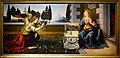
Detail of Annunciation by Leonardo da Vinci, c. 1472–1476
Archangel
Divine Herald
Angel of Revelation
Venerated in
  • All Christian denominations that venerate saints
  • Samaritanism
  • Judaism
  • Islam
  • and others[N 1]
Feast
  • 29 September with angels Michael and Raphael (Catholic Church) (post-1969)
  • 24 March (Western Rite Orthodoxy and General Roman Calendar before 1969)
  • 26 March, 13 July (Eastern Orthodox Church)
  • 13 Paoni, 22 Koiak and 26 Paoni (Coptic Church)
  • 28 December (Tahsas 19) and 26 July (Hamle 19) Ethiopian calendar
AttributesWhite lily, trumpet, shining lantern, branch from Paradise, scroll and scepter[1]
Patronagemessengers (including telecommunication workers, postal workers, radio broadcasters, diplomats, and ambassadors), stamp collectors, Santander, Cebu[2]
Known as Cebrail (Djebraïl) in some cultures

In Judaism, Christianity, Islam, and other Abrahamic religions Gabriel (/ˈɡeɪbriəl/ GAY-bree-əl)[N 2] or even Cebrail (Djebraïl) in some cultures,[citation needed] is an archangel with the power to announce God's will to humankind as the messenger of God. He is mentioned in the Hebrew Bible, the New Testament and the Quran.

In the Book of Daniel, Gabriel appears to the prophet Daniel to explain his visions.[3] Gabriel also appears in the Jewish apocryphal First Book of Enoch (e.g., 1 Enoch 20:7–8) and other ancient Hebrew writings incompletely preserved or wholly lost in Hebrew.[4] Alongside the archangel Michael, Gabriel is described as the guardian angel of the Israelites, defending them against the angels of the other peoples.[5][6]

In the New Testament's Gospel of Luke, Gabriel appears to Zechariah foretelling the birth of John the Baptist. Gabriel later appears to Mary, mother of Jesus to announce that she would conceive and bear a son (i.e., Jesus) via virgin birth. Many branches of Christianity—including Eastern Orthodoxy, the Catholic Church, Lutheranism, and Anglicanism—revere Gabriel as a saint.

Islam regards Gabriel as an archangel sent by God to various prophets, including Muhammad. The first five verses of the Al-Alaq, the 96th chapter of the Quran, are believed by Muslims to have been the first verses of the revelations given by Gabriel to Muhammad. He is associated with communication about anything about God.

Etymology

[edit]

The name Gabriel (Hebrew: גַּבְרִיאֵל, Gaḇrīʾēl) is composed of the first person singular possessive form of the Hebrew noun gever (גֶּבֶר), meaning "man",[7] and ʾĒl, meaning "God" or "mighty one".[8] This would translate the archangel's name as "man of God". Proclus of Constantinople, in his Homily 1, stated that the meaning of Gabriel's name prefigured that Jesus, whose birth was announced by Gabriel, would be both man and God.[9]

In his work, the four homilies on the Missus Est", Saint Bernard (1090–1153 AD) interpreted Gabriel's name as "the strength of God", and his symbolic function in the gospel story as announcement of the strength or virtue of Christ, both as the strength of God incarnate and as the strength given by God to the timorous people who would bring into the world a fearful and troublesome event. "Therefore it was an opportune choice that designated Gabriel for the work he had to accomplish, or rather, because he was to accomplish it therefore he was called Gabriel."[10]

Judaism

[edit]

Hebrew Bible

[edit]
The Archangel Gabriel appears to the Prophet Daniel, attributed to Francesco Solimena (1657–1747).

The only book in the Hebrew Bible that explicitly mentions Gabriel is the Book of Daniel. Gabriel appears to the prophet Daniel to explain his visions (Daniel 8:15–26, 9:21–27). Later, in Daniel's final vision, an angel, not named but likely Gabriel again, appears to him and speaks of receiving help from Michael in battle against the prince of Persia and also Michael's role in times to come. The Book of Daniel contains the first instances of named angels in the Hebrew Bible. Gabriel's main function in the Book of Daniel is that of revealer, responsible for interpreting Daniel's visions, a role he continues to have in later traditions. In Daniel 10–12, while Gabriel is not named directly, many scholars infer his continued presence as the messenger who delivers Daniel’s final apocalyptic revelations.

Though he is not specifically named, the "man clothed with linen" mentioned in chapters 9 and 10 of the Book of Ezekiel is interpreted as Gabriel in Yoma 77a of the Babylonian Talmud.[11]

Intertestamental literature

[edit]

Gabriel is not referred to as an archangel in the Hebrew Bible or the New Testament. However, a wealth of Jewish literature was written during the Second Temple period (516 BC–70 AD). Much of the literature produced during this intertestamental period was of the apocalyptic genre. The names and ranks of angels and demons were greatly expanded in this literature, and each had particular duties and status before God. Gabriel was first referred to as an archangel in these texts.

In particular, there are many references to Gabriel in the Book of Enoch. According to the book, Michael, Uriel, Raphael, and Gabriel complain to God about the many wrongs perpetrated by Azazel and Samyaza (especially the fact that they revealed "eternal secrets" and sins to mankind and defiled themselves with women who later gave birth to giant offspring).[12] As a result, God decides to destroy the Earth (which has been corrupted by the fallen angels, led by Azazel and Samyaza) and all of its inhabitants except for Noah. He sends Gabriel and the other archangels to go after the fallen angels and cast them into the darkness until the day of their judgment.[13] In Chapter 20, Gabriel is listed as one of seven holy angels (Uriel, Raphael, Raguel, Michael, Saraqâêl, Gabriel, and Remiel) who watch.[14] In Chapter 40, Gabriel is listed as one of four presences (Michael, Raphael, Gabriel, and Phanuel) who stand on the four sides of God.[15] These four archangels will be the ones to cast the fallen angels into the abyss of condemnation on Judgment Day.[16] The final reference to Gabriel in the Book of Enoch is found in Chapter 71: "And that Head of Days came with Michael and Gabriel, Raphael and Phanuel, thousands and ten thousands of angels without number."[17]

The Book of Enoch is not considered to be canonical scripture by most Jewish or Christian church bodies, although it is part of the biblical canon used by the Ethiopian Jewish community, as well as the Ethiopian and Eritrean Orthodox Tewahedo Churches.

Rabbinic Judaism

[edit]

According to Rabbinic Judaism, Gabriel — along with Michael, Uriel, and Raphael — is one of the four angels that stand at the four sides of God’s throne and serve as guardian angels of the four parts of the Earth. Michael stands at the right hand of God, while Gabriel (who ranks beneath Michael) stands at the left. Michael and Gabriel often work together, but Michael is mainly occupied in heaven, while Gabriel (as the messenger of God) typically executes God’s will on earth. Like all the angels, Gabriel has wings, but otherwise takes the form of a man. Gabriel is also associated with the metal gold (the color of fire).[11]

Shimon ben Lakish (an amora of the third century) concluded that the angelic names of Michael, Raphael, and Gabriel came out of the Babylonian exile (Gen. Rab. 48:9). Alongside the archangel Michael, Gabriel is described as the guardian angel of Israel, defending the Israelites against the angels of the other nations.[18]

Mystical Judaism

[edit]

Gabriel is one of God's archangels in the Kabbalah literature. He is portrayed as working in concert with Michael as part of God's court, and he is identified with the sefira of Yesod. Gabriel is not to be prayed to because only God can answer prayers and sends Gabriel as his agent.[11]

According to Jewish mythology, in the Garden of Eden there is a tree of life or the "tree of souls"[19] that blossoms and produces new souls, which fall into the Guf, the treasury of souls. Gabriel reaches into the treasury and takes out the first soul that comes into his hand.

Christianity

[edit]

New Testament

[edit]
Gabriel announcing the birth of John the Baptist to Zechariah, by Alexander Andreyevich Ivanov, 1824
Gabriel announcing the incarnation to Mary, by Fra Angelico, c. 1440–1445

Gabriel's first appearance in the New Testament is found in the first part of Chapter 1 of the Gospel of Luke, in which he relates the annunciation of the birth of John the Baptist. John's father Zechariah was childless because his wife Elizabeth was barren. An angel appears to Zechariah to announce the birth of his son. When Zechariah questions the angel, the angel identifies himself as Gabriel.(Luke 1:5–25)

Gabriel appears again in the second part of Chapter 1 of the Gospel of Luke, this time to announce the birth of Jesus to Mary.(Luke 1:26–38) While in the first passage the angel identifies himself as Gabriel, in the second passage it is the author of Luke who identifies the angel as Gabriel.

The only other named angels in the New Testament are Michael (in Jude 1:9 and Revelation 12:7) and Abaddon (in Revelation 9:11).

Non-canonical texts

[edit]

Gabriel is more frequently referenced in early Christian pseudepigraphic texts than in any of the canonical Biblical texts. For example, Gabriel is mentioned in some of the infancy gospels (e.g., Chapter 7 of the Nativity Gospel of Mary,[20] Chapter 9 of the Protevangelium of James,[21] and Chapter 1 of the First Gospel of the Infancy of Jesus Christ[22]). Gabriel is also mentioned in some of the early Christian apocalyptic texts, such as the Greek Apocalypse of Ezra[23] and the Second Book of Enoch (e.g., Chapter 21[24] and Chapter 24[25]).

In Gnosticism, angels are portrayed as belonging to a pantheon of spiritual beings involved in the creation of the world. According to one ancient Gnostic manuscript, the Holy Book of the Great Invisible Spirit, Gabriel is a divine being and inhabitant of the pleroma that existed before the demiurge.[26] There is also a reference to Gabriel in Chapter 17 of the Gospel of Judas, a Gnostic text dated to 280 AD.[27]

Latter-day Saints

[edit]

In the theology of the Church of Jesus Christ of Latter-day Saints, Gabriel is believed to have lived a mortal life as the prophet Noah. The two are regarded as the same individual; Noah being his mortal name and Gabriel being his heavenly name.[28][29]

Feast day

[edit]

The feast day of Saint Gabriel the Archangel was exclusively celebrated on 18 March according to many sources dating between 1588 and 1921; unusually, a source published in 1856[30] has the feast celebrated on 7 April for unknown reasons (a parenthetical note states that the day is normally celebrated on 18 March). Writer Elizabeth Drayson mentions the feast being celebrated on 18 March 1588 in her 2013 book "The Lead Books of Granada".[31]

One of the oldest out-of-print sources placing the feast on 18 March, first published in 1608, is Flos sanctorum: historia general de la vida y hechos de Jesu-Christo ... y de los santos de que reza y haze fiesta la Iglesia Catholica ... by the Spanish writer Alonso de Villegas; a newer edition of this book was published in 1794.[32] Another source published in Ireland in 1886 the Irish Ecclesiastical Record also mentions 18 March.[33]

The Feast of Saint Gabriel was included by Pope Benedict XV in the General Roman Calendar in 1921, for celebration on 24 March.[34] In 1969, the day was officially transferred to 29 September for celebration in conjunction with the feast of the archangels Ss. Michael and Raphael.[35] Today, the 29 September date (known as Michaelmas) has been adopted by not only the Catholic Church, but also the Church of England, the Lutheran churches, the Anglican Communion, and the Western Orthodox churches.

The Eastern Orthodox Church and those Eastern Catholic Churches that follow the Byzantine Rite celebrate the Feast of the Archangels (Synaxis of the Archangel Michael and the Other Bodiless Powers) on 8 November. For those churches that follow the traditional Julian Calendar, 8 November currently falls on 21 November of the modern Gregorian Calendar, a difference of 13 days. Eastern Orthodox commemorate Gabriel not only at the Feast of the Archangels, but also on two other days:

  • 26 March, the "Synaxis of the Archangel Gabriel" and celebrates his role in the Annunciation
  • 13 July, also known as the "Synaxis of the Archangel Gabriel", which celebrates all the appearances and miracles attributed to Gabriel throughout history. The feast was first established on Mount Athos when, in the 9th century, during the reign of Emperor Basil II and Empress Constantina Porphyrogenitus and while Nicholas Chrysoverges was Patriarch of Constantinople, Gabriel appeared in a cell[36] near Karyes, where he wrote with his finger on a stone tablet the hymn to the Theotokos, "It is truly meet ...".[37]

Saint Gabriel the Archangel is commemorated on the vigil of the Feast of the Annunciation by Antiochian Western Rite Vicariate[38] and Western Rite in the ROCOR.[39]

The Coptic Orthodox Church celebrates Gabriel's feast on 13 Paoni,[40] 22 Koiak, and 26 Paoni.[41] One medieval Coptic work, the Investiture of the Archangel Gabriel, attributes the feast day of 22 Koiak to the day Gabriel was given the rank of archangel in heaven.[42]

The Ethiopian Church celebrates Gabriel's feast on 18 December (in the Ethiopian calendar), with a sizeable number of its believers making a pilgrimage to a church dedicated to "Saint Gabriel" in Kulubi and Wonkshet on that day.[43]

Gabriel's horn

[edit]

A familiar literary trope of Gabriel has him blowing a trumpet blast to announce the resurrection of the dead at the end of time. However, though the Bible mentions a trumpet blast preceding the resurrection of the dead, it never specifies Gabriel as the trumpeter. Different passages state different things: the angels of the Son of Man (Matthew 24:31); the voice of the Son of God (John 5:25–29); God's trumpet (I Thessalonians 4:16); seven angels sounding a series of blasts (Revelation 8–11); or simply "a trumpet will sound" (I Corinthians 15:52).[44] Likewise the early Christian Church Fathers do not mention Gabriel as a trumpeter; and in Jewish and Muslim traditions, Gabriel is again not identified as a trumpeter.[45]

The earliest known identification of Gabriel as a trumpeter comes from the "Hymn for Protection in the Night", attributed to the Armenian Saint Nerses IV the Gracious (1102 – 1173):[46]

The sound of Gabriel's trumpet on the last night, make us worthy to hear, and to stand on your right hand among the sheep with lanterns of inextinguishable light; to be like the five wise virgins, so that with the bridegroom in the bride chamber we, his spiritual brides may enter into glory.

A 1455 Armenian manuscript shows Gabriel sounding his trumpet as the dead climb out of their graves.[47]

Another example occurs in John Milton's Paradise Lost (1667):[44][48]

Betwixt these rockie pillars Gabriel sat
Chief of the Angelic guards (IV.545f) ...
He ended, and the Son gave signal high
To the bright minister that watch'd, he blew
His trumpet, heard in Oreb since perhaps
When God descended, and perhaps once more
To sound at general doom. (XI.72ff).

It is unclear whether Milton was inspired by the Armenian works, though they presumably have a common source.[44]

The image of Gabriel's trumpet blast to announce the end of time was taken up in evangelical Christianity, where it became widespread, notably in African American spirituals.[49]

Islam

[edit]
See also: Rūḥ
"Gibril" and "Jibril" redirect here. For other uses, see Gibril (disambiguation) and Jibril (disambiguation).
A 16th-century Siyer-i Nebi image of the archangel Jibril (Gabriel) visiting Muhammad

Gabriel (Hejazis Arabic: جِبْرِيل, romanized: Jibrīl;[50] also Arabic: جبرائيل, romanized: Jibrāʾīl; other canonical writings include: Jabrāʾīl, ''Jabrīl, Jabrāyīl, and Jibrāʾīn[51]) derived from the Hebrew: גַּבְרִיאֵל, romanized: Gaḇrīʾēl)[52][53][54][55] in many places in the Qur'an, is revered as one of the primary archangels and as the Angel of Revelation in Islam.[52][53][54] He is primarily mentioned in the verses 2:97, 2:98 and 66:4 of the Quran. However, the Quranic text doesn't refer to him as an angel.[53] In the Quran, the archangel Gabriel appears named in 2:97 and 66:4, as well as in 2:98, where he is mentioned along with the archangel Michael.[52]

Tafsir (Exegetical Quranic literature) narrates that Muhammad saw the archangel Gabriel in his full angelic splendor only twice, the first time being when he received his first revelation.[54] Islamic tradition holds that Gabriel was sent to numerous pre-Islamic Biblical prophets with revelation and divine injunctions, including Adam, whom Muslims believe was consoled by Gabriel sometime after the Fall, too.[56] He is known by many names in Islam, such as "keeper of holiness".[57] In Hadith traditions, Jibril is said to have six hundred wings.[58]

In Islam, the tree of souls is referred to as the Sidrat al-Muntaha (and is identified as a Ziziphus spina-christi).

As a messenger

[edit]

Muslims believe that Gabriel was tasked with transmitting the scriptures from God to the prophets and messengers, as Asbab al-Nuzul or revelation.[59] When Muhammad was questioned which angel is revealing the holy scriptures, he told the Jews they are revealed by Gabriel.[60]

Muslims also revere Gabriel for several events that predate what they regard as the first revelation narrated in the Quran. Muslims believe that Gabriel was the angel who informed Zechariah of the Nativity of John the Baptist, as well as Mary about the future nativity of Jesus;[61][62] and that Gabriel was one of three angels who had earlier informed Abraham of the birth of Isaac (51:24–30).[63] Gabriel also makes a famous appearance in the Hadith of Gabriel, in which he questions Muhammad on the core tenets of Islam.[52]

Gabriel is also believed to have delivered punishment from God to the Sodomites by leveling the entire city of Sodom with the tip of his wing.[64] According to a Hadith narrated by Abu Dharr al-Ghifari, which is compiled by al-Hakim al-Tirmidhi, Gabriel has the ability to regulate feeling or perception in humans, particularly happiness or sadness.[65]

As a warrior

[edit]
Muhammad at the Battle of Badr, advised by an angel (Siyer-i Nebi, 16th century)

Gabriel is believed to have helped Muhammad overcome his adversaries significantly against an ifrit during the Night Journey.[66][67] Gabriel is also believed to have helped Muhammad overcome his adversaries during the Battle of Badr, where according to scholars and clerics of Islam, the various hadiths, both authentics and inauthentics, has mentioned that Gabriel,[68] Michael, Raphael,[69][N 3][N 4] and thousands of best angels from third level of heaven, all came to the battle of Badr by impersonating the appearance of Zubayr ibn al-Awwam, a Companion of the Prophet and bodyguard of the prophet.[N 5][74] This is deemed as Zubayr's honor according to Islamic belief.[75][76][N 6] Meanwhile, Safiur Rahman Mubarakpuri has recorded in his historiography works of Quran and Hadith revelation in Prophetic biography, that Sa'd ibn Abi Waqqas testified he saw two unidentified warriors clad in white had protected Muhammad during the Battle of Uhud, that later being confirmed by Muhammad those two unidentified warriors were Jibril and Michael in disguise.[78]

Moreover, he is believed to have further encouraged Muhammad to wage war and attack the Jewish tribe of Banu Qurayza.[53][79] Another appearance of Gabriel in Islamic religious texts were found in numerous Hadiths during the Battle of Hunayn, where the Gabriel stood next to Muhammad.[80] Gabriel is also said to have fought Iblis, when the latter tempted ʿĪsā (Jesus).[81] Ibn Barrajan regards Gabriel to be an angel created from fire, like Iblis, thus settling Gabriel symbolically into the head of opposition to the leader of the devils.[82]

Other Islamic texts and some apocryphal literature also supported Gabriel's role as a celestial warrior.[53][83] Though alternate theories exist, whether the occurrence of the Holy Spirit in the Quran refers to Gabriel or not, remains an issue of scholarly debate.[citation needed] However, a clear distinction between apocryphal and Quranic references to Gabriel is that the former doesn't designate him as the Holy Spirit in the First Book of Enoch, which narrates the story of Gabriel defeating the Nephilim.[53]

Other traditions

[edit]

The Yazidis worship Seven Archangels, including Jabra'il (Gabriel), Mikha'il (Michael), Rapha'il (Raphael), Dedra'il, Azra'il, Shamka'il, and Azazil, who are emanations from God with which God entrusted the world. Other angels in Yazidism include Azrafil, Nekir and Nukir.[84] The Yazidis associate Gabriel with Tawûsî Melek (the "Peacock Angel").[85]

Yazdânism and Yarsanism share many elements with Yazidism, including seven secondary divine manifestations, emanationism and the incarnation of the archangel Gabriel (Pir Benjamin in Yarsanism).

Mandaeans venerate Ptahil as the "Fourth Life" (the third of three emanations from the First Life). Ptahil is an uthra, identified with Gabriel, who creates the poorly made material world with the help of Ruha, a sinful and fallen female ruler who inhabits the World of Darkness. Ruha and Ptahil's roles in creation vary, with each gaining control when the other's power subsides.[86] According to Brikha Nasoraia, the creation of the material world occurs by God's command, but is delegated to Ptahil (a subservient emanation or uthra) with the assistance of Gabriel and others.[87]

Art, entertainment, and media

[edit]

Angels are described as pure spirits.[88][89] The lack of a defined form allows artists wide latitude in depicting them.[90] Amelia R. Brown draws comparisons in Byzantine iconography between portrayals of angels and the conventions used to depict court eunuchs. Mainly from the Caucasus, they tended to have light eyes, hair, and skin; and those "castrated in childhood developed a distinctive skeletal structure, lacked full masculine musculature, body hair and beards ..." As officials, they would wear a white tunic decorated with gold. Brown suggests that "Byzantine artists drew, consciously or not, on this iconography of the court eunuch".[91] Some recent popular works on angels consider Gabriel to be female or androgynous.[92][93]

Painting and sculpture

[edit]

Gabriel is most often portrayed in the context of the Annunciation. In 2008, a 16th-century drawing by Lucas van Leyden of the Netherlands was discovered. George R. Goldner, chairman of the department of prints and drawings at New York's Metropolitan Museum of Art, suggested that the sketch was for a stained glass window. "The fact that the archangel is an ordinary-looking person and not an idealized boy is typical of the artist", said Goldner.[94]

The Military Order of Saint Gabriel was established to recognize "individuals who have made significant contributions to the U.S. Army Public Affairs community and practice". The medallion depicts St. Gabriel sounding a trumpet, while the obverse displays the Army Public Affairs emblem.[95]

  • Archangel Gabriel Millennium Monument at Heroes' Square in Budapest
    Archangel Gabriel Millennium Monument at Heroes' Square in Budapest
  • Archangel Gabriel in the church of St. Georg in Bermatingen
    Archangel Gabriel in the church of St. Georg in Bermatingen
  • Archangel Gabriel in the church of St. Magnus in Waldburg
    Archangel Gabriel in the church of St. Magnus in Waldburg
  • Archangel Gabriel at the façade of the Cathedral of Reims
    Archangel Gabriel at the façade of the Cathedral of Reims
  • Archangel Gabriel at the Liberty Square, Budapest
    Archangel Gabriel at the Liberty Square, Budapest
  • Archangel Gabriel of Nedvědice
    Archangel Gabriel of Nedvědice
  • Painting of the annunciation by Leonardo
    Gabriel and Mary in Leonardo da Vinci's Annunciation, c. 1472–1475
  • Angel of the Annunciation by Titian (1520–1522)
    Angel of the Annunciation by Titian (1520–1522)

Festivals

[edit]

Baltimore's (Maryland) "Little Italy" neighborhood has for over 80 years hosted an annual "end of summer" St. Gabriel Festival that features a procession with a statue of the saint carried through the streets.[96][97]

Video games

[edit]

The first-person shooter game Ultrakill features Gabriel as a main antagonist, although Gabriel in game and Gabriel in Biblical canon share many differences.

See also

[edit]
  • Saints portal
  • Angel of the Lord
  • Angelus
  • Hermes
  • Hierarchy of angels
  • List of angels in theology
  • List of names referring to El
  • Ptahil-Uthra—Also identified as Gabriel in Mandaeism
  • Saint Gabriel, patron saint archive

References

[edit]

Notes

[edit]
  1. ^ Including, but not limited to: Yazidism, Alawism, Mormonism, Rastafari, Bábism and the Baháʼí Faith.
  2. ^ Hebrew: גַּבְרִיאֵל, romanized: Gaḇrīʾēl, lit. 'Man of El [God]'; Ancient Greek: Γαβριήλ, romanized: Gabriḗl; Latin: Gabriel; Coptic: Ⲅⲁⲃⲣⲓⲏⲗ, romanized: Gabriêl; Amharic: ገብርኤል, romanized: Gabrəʾel; Imperial Aramaic: ܓ݁ܰܒ݂ܪܺܝܐܝܶܠ, romanized: Gaḇrīʾēl; Arabic: جِبْرِيل, romanized: Jibrīl, IPA: [dʒiˈbriːl], also Arabic: جبرائيل, romanized: Jibrāʾīl [dʒibræːˈʔiːl] or Jabrāʾīl.
  3. ^ Found in Mustadrak al Sahihayn.[70] The complete narration from Al-Hakim al-Nishapuri were: "Abu Abdullah Muhammad bin Yaqoub has reported from Ibrahim bin Abdullah Al-Saadi, who told us Muhammad bin Khalid bin Uthma, told us Musa bin Yaqoub, told me Abu Al-Huwairith, that Muhammad bin Jubayr bin Mut’im told him, that he heard Ali - may God be pleased with him - addresses the people, and he said: While I was leaving from the well of Badr, a strong wind came, the like of which I had never seen, then it left, then came a strong wind, the like of which I have never seen except for the one before it, then it went, then came a strong wind that I did not see before. I have never seen anything like it except for the one before it, and the first wind was Gabriel descended among a thousand angels with the Messenger of God - may God bless him and grant him peace - and the second wind was Michael who descended among a thousand angels to the right of the Messenger of God - may God bless him and his family and grant them peace - and Abu Bakr was On his right, and the third wind was Israfil. He descended with a thousand angels on the side of the Messenger of God - may God's prayers and peace be upon him and his family - and I was on the right side. When God Almighty defeated his enemies, the Messenger of God - may God's prayers and peace be upon him and his family - carried me on his horse, I blew up, and I fell On my heels, I prayed to God Almighty …" Ibn al Mulqin [id], Hadith scholar from Cordoba of 13-14 AD century, evaluate this hadith that he found weaknesses in Musa ibn Yaqoub and Abu al Huwairith chain, so he deemed there is weakness about this hadith.[71] However, recent scholarship from Ali Hasan al-Halabi has noted there is another hadith which supported the participation of Raphael in Badr[69]
  4. ^ According to Islamic belief in weak chain of Hadith, Raphael were acknowledged as angel who were tasked to blower of Armageddon trumpet, and one of archangels who bear the Throne of God on their back.[72]
  5. ^ According to one Hadith, Muhammad were told that the angels that appeared in the battle of Badr were highest in status and the "best of angels" according to Gabriel in Hadith narrated by Muhammad.[73]
  6. ^ According to one narration, during the battle, Muhammad found an angel whom he thought was Zubayr standing next to him, which then prompted Muhammad to command him to attack, which the angel, in Zubayr's appearance, simply replied, "I am not Zubayr". Thus, this is another indication that the angels truly came down with the appearance of Zubayr during Badr.[77]

Citations

[edit]
  1. ^ Ronner, John (1993). Know Your Angels: The Angel Almanac with Biographies of 100 Prominent Angels in Legend & Folklore-and Much More!. Murfreesboro, Tennessee: Mamre Press. pp. 70–72, 73. ISBN 978-0932945402.
  2. ^ Guiley, Rosemary Ellen (2004). The Encyclopedia of Angels (2 ed.). New York: Facts on File, Incorporated. p. 140. ISBN 0-8160-5023-6.
  3. ^ Daniel 9:21–27
  4. ^ "The Book of Enoch: Enoch's Journeys through the Earth and Sheol". Internet Sacred Text Archive. Translated by Charles, R. H. 1917. Retrieved 11 December 2025.
  5. ^ Talmud, b. Sanhedrin 96a:13
  6. ^ Talmud, b. Yoma 77a:8
  7. ^ "Strong's Hebrew Concordance – 1397. geber". Bible Hub. Glassport, Pennsylvania: Online Parallel Bible Project. 2025. Retrieved 21 June 2025.
  8. ^ "Strong's Hebrew Concordance – 410. El". Bible Hub. Glassport, Pennsylvania: Online Parallel Bible Project. 2025. Retrieved 21 June 2025.
  9. ^ "Proclus of Constantinople and His Homily on the Theotokos Delivered in the Presence of Nestorius". The Pappas Patristic Institute. Brookline, Massachusetts: Holy Cross Greek Orthodox School of Theology. 6 December 2021. Retrieved 21 June 2025. You should also pay attention to the name of the archangel. He who brought the glad tidings to Mary was called Gabriel (Lk. 1.26). What is the meaning of "Gabriel"? God and man. Now he of whom Gabriel was bringing these tidings was God and man, and thus his name was an anticipation of the miracle, given to assure us of the incarnation.
  10. ^ Saint Bernard, Four homilies on the Missus Est [1], first homily, paragraph 2.
  11. ^ a b c Hirsch, Emil Gustav (1912). "Gabriel". In Singer, Isidore (ed.). The Jewish Encyclopedia. Vol. V (3 ed.). New York: Funk & Wagnalls. pp. 540–543.
  12. ^ Charles 1913, pp. 192–193.
  13. ^ Charles 1913, pp. 193–195.
  14. ^ Charles 1913, p. 201.
  15. ^ Charles 1913, pp. 211–212.
  16. ^ Charles 1913, pp. 220–221.
  17. ^ Charles 1913, p. 237.
  18. ^ Everson, David L. (December 2009). "Gabriel Blow Your Horn! – A Short History of Gabriel within Jewish Literature". The Bible and Interpretation. Tucson, Arizona: The University of Arizona. Retrieved 21 June 2025.
  19. ^ Scholem, Gershom Gerhard (1990). Origins of the Kabbalah. Princeton University Press. ISBN 0691020477.
  20. ^ Hone 1880, p. 22.
  21. ^ Hone 1880, p. 30.
  22. ^ Hone 1880, p. 38.
  23. ^ "Revelation of Esdras". Bible Hub. Glassport, Pennsylvania: Online Parallel Bible Project. 2025. Retrieved 20 June 2025.
  24. ^ Charles 1896, pp. 26, 27.
  25. ^ Charles 1896, p. 31.
  26. ^ Robinson, James M. (2007). "The Holy Book of the Great Invisible Spirit". The Nag Hammadi Scriptures. New York: HarperCollins. ISBN 978-0060523787.
  27. ^ Kasser, Rodolphe; Meyer, Marvin; Wurst, Gregor, eds. (2006). The Gospel of Judas. Commentary by Bart D. Ehrman. Washington D.C.: National Geographic Society. p. 40. ISBN 978-1426200427. Jesus said, "This is why God ordered Michael to give the spirits of people to them as a loan, so that they might offer service, but the Great One ordered Gabriel to grant spirits to the great generation with no ruler over it—that is, the spirit and the soul.
  28. ^ Skinner, Andrew C. (1992). "Noah". In Ludlow, Daniel H. (ed.). Encyclopedia of Mormonism. New York: Macmillan Publishing. pp. 1016–1017. ISBN 0-02-879602-0..
  29. ^ Romney, Joseph B. "Noah, The Great Preacher of Righteousness". The Church of Jesus Christ of Latter-day Saints. Retrieved 22 September 2019. the Prophet Joseph Smith said: "Noah, who is Gabriel, … stands next in authority to Adam in the Priesthood;
  30. ^ "The Catholic Directory, Ecclasiastical Register, and Almanac". 1856. Retrieved 29 April 2017.
  31. ^ Drayson, Elizabeth (2016). The Lead Books of Granada. Palgrave Macmillan. p. 3. ISBN 978-1137358844.
  32. ^ de Villegas, Alonso (1794). Flos sanctorum: historia general de la vida y hechos de Jesu-Christo ... (in Spanish). Spain: Imprenta de Isidro Aguasvivas. p. 250.
  33. ^ The Irish Ecclesiastical Record. Browne and Nolan. 1886. p. 1112.
  34. ^ Butler's Lives of the Saints, vol. 1, edited by Herbert Thurston and Donald Attwater, Christian Classics, 1981 ISBN 9780870610455.
  35. ^ Calendarium Romanum (Libreria Editrice Vaticana, 1969), p. 119.
  36. ^ "Ιερό Κελλί "Άξιον Εστί"". Archived from the original on 16 January 2015. Retrieved 18 January 2015.
  37. ^ Velimirovic, Nikolai (1985). "13 July: The Holy Archangel Gabriel". Prologue from Ochrid. Birmingham, UK: Lazarica Press. ISBN 978-0948298059.
  38. ^ "Calendar". St. Gregory the Great Orthodox Church. 11 January 2012. Retrieved 9 July 2022.
  39. ^ "ROCOR Western Rite (Home)". rocorwr. Retrieved 9 July 2022.
  40. ^ "تذكار رئيس الملائكة الجليل جبرائيل "غبريال" - عيد سنكسار يوم 13 بؤونة، شهر بؤونة، الشهر القبطي". st-takla.org.
  41. ^ Alex, Michael Ghaly. "رئيس الملائكة الجليل جبرائيل - كتاب الملائكة". st-takla.org.
  42. ^ Jenott, Lance (2020). "The Investiture of the Archangel Gabriel: A New Translation and Introduction". In Burke, Tony (ed.). New Testament Apocrypha: More Noncanonical Scriptures. Vol. 2. William B. Eerdmans Publishing Company. pp. 559–575. ISBN 978-0-8028-7290-6.
  43. ^ Nega Mezlekia, Notes from the Hyena's Belly: An Ethiopian Childhood (New York: Picador, 2000), p. 266. ISBN 0-312-28914-6.
  44. ^ a b c S. Vernon McCasland, "Gabriel's Trumpet", Journal of Bible and Religion 9:3:159–161 (August 1941) JSTOR 1456405.
  45. ^ In Judaism, trumpets are prominent, and they seem to be blown by God himself, or sometimes Michael. In Islamic tradition, it is Israfil who blows the trumpet, though he is not named in the Qur'an.
  46. ^ "Peace Hour (After Sunset)". orthodoxchristianity.net. Archived from the original on 22 August 2021. Retrieved 22 August 2021.
  47. ^ Walters MS 543, fol. 14.
  48. ^ Milton, Paradise Lost, XI.72ff
  49. ^ The widespread understanding of Gabriel's horn as a symbol of the end of time in U.S. Southern culture, is apparent from its appearance in the University of Texas's school spirit song, The Eyes of Texas (1903): "The eyes of Texas are upon you, until Gabriel blows his horn." Likewise in Marc Connelly's play based on negro spirituals, The Green Pastures (1930), Gabriel has his beloved trumpet constantly with him, and the Lord has to warn him not to blow it too soon.
  50. ^ Iqbal, Muzaffar. "Integrated Encyclopedia of the Qur'ān." The center of Islamic Sciences (2013). p. 177
  51. ^ Iqbal, Muzaffar. "Integrated Encyclopedia of the Qur'ān." The center of Islamic Sciences (2013). p. 177
  52. ^ a b c d Webb, Gisela (2006). "Gabriel". In McAuliffe, Jane Dammen (ed.). Encyclopaedia of the Qurʾān. Vol. II. Leiden: Brill Publisher. doi:10.1163/1875-3922_q3_EQCOM_00071. ISBN 978-90-04-14743-0.
  53. ^ a b c d e f Reynolds, Gabriel Said (2014). "Gabriel". In Fleet, Kate; Krämer, Gudrun; Matringe, Denis; Nawas, John; Rowson, Everett K. (eds.). Encyclopaedia of Islam - Three (3 ed.). Leiden: Brill Publisher. doi:10.1163/1573-3912_ei3_COM_27359. ISBN 978-9004269620.
  54. ^ a b c Pedersen, Jan (1965). "D̲j̲abrāʾīl". In Bosworth, C. E.; van Donzel, E. J.; Heinrichs, W. P.; Lewis, B.; Pellat, Ch.; Schacht, J. (eds.). Encyclopaedia of Islam, Second Edition. Vol. 2. Leiden: Brill Publishers. doi:10.1163/1573-3912_islam_SIM_1903. ISBN 978-90-04-16121-4.
  55. ^ Luxenberg, Christoph. 2007. The Syro-Aramaic Reading of the Koran: A Contribution to the Decoding of the Language of the Koran. Verlag Hans Schiler. ISBN 9783899300888 p. 39
  56. ^ Glasse, Cyril (2000). The Concise Encyclopedia of Islam. Lahore: Suhail Academy. p. 136. ISBN 969-519-018-9.
  57. ^ von Hammer-Purgstall, Josef. [1852] 2010. Die Geisterlehre der Moslimen [The Doctrine of Spirits of Muslims]. Bayerische Staatsbibliothek.
  58. ^ "1 The Book of Faith (76) Chapter: About (The Lote-Tree of the Utmost Boundary)". Sunnah.com (in English and Arabic). Retrieved 9 February 2022. Sahih Muslim 174b In-book reference: Book 1, Hadith 338 USC-MSA web (English) reference: Book 1, Hadith 331 (deprecated numbering scheme)
  59. ^ Quran 2:97
  60. ^ Noegel & Wheeler 2002, p. 218.
  61. ^ Ibn Kathīr, Ismāʻīl ibn ʻUmar (2003). Qiṣaṣ al-Anbiyā'(Stories of the Prophets: [peace be upon them]) - Story of Zakariyyā (Zechariah) (2 ed.). Riyadh: Darussalam. ISBN 9960892263.
  62. ^ Ibn Kathīr, Ismāʻīl ibn ʻUmar (2003). Qiṣaṣ al-Anbiyā' (Stories of the Prophets: [peace be upon them]) – Story of ʻĪsá (Jesus) (2 ed.). Riyadh: Darussalam. ISBN 9960892263.
  63. ^ Ibn Kathīr, Ismāʻīl ibn ʻUmar (2003). Qiṣaṣ al-Anbiyā' (Stories of the Prophets: [peace be upon them]) – Story of Ismāʻīl (Ishmael) (2nd ed.). Riyadh, Saudi Arabia: Darussalam. ISBN 9960892263.
  64. ^ Bahgat, Ahmad (2007). Ayu, Sudjilah (ed.). Nabi-Nabi Allah Kisah Para Nabi dan Rasul Allah dalam Al-Qur'an [Prophets of Allah Stories of the Prophets and Messengers of Allah in the Qur'an] (in Indonesian and Arabic). Translated by Muhtadi Kadi; Musthofa Sukawi. Qisthi Press. p. 137. ISBN 9789791303101.
  65. ^ Al-Suyuti, Jalal al-Din (2021). Muhammad as Said Basyuni, Abu Hajir; Yasir, Muhammad (eds.). Misteri Alam Malaikat (in Indonesian). Translated by Mishabul Munir. Pustaka al-Kautsar. p. 20. ISBN 9789795929512. Quoting Ibnul Mubarak from a book of az-Zuhd; ad Durr al-Manshur, chain narration from Ibnul Mubarak to Ibn Shihab (1/92)
  66. ^ al-Yahsubi, Al-Qadi Iyad (2013). الشفا بتعريف حقوق المصطفى (ص) [عربي/انكليزي] ترجمة(Ash-Shifa: Healing Through Defining the Rights of Prophet Muhammad [may Allah's peace and blessings be upon him]) (2 ed.). Beirut: Dar Al Kotob Al Ilmiyah. ISBN 978-2-745-16073-7.
  67. ^ Issa, Islam. 2016. Milton in the Arab-Muslim World. Taylor & Francis. ISBN 978-1-317-09592-7. p. 111.
  68. ^ al-Misri, Mahmud (2015). Sahabat-Sahabat Rasulullah [Companion of the Prophet vol 1: Zubair bin Awwam] (in Indonesian and Arabic). Vol. 1: Zubair bin Awwan. Jawa Barat, Indonesia: Pustaka Ibnu Katsir. ISBN 978-9791294386.
  69. ^ a b Hakim, Saifuddin (2015). "Apakah Malaikat Israfil Bertugas Meniup Sangkakala pada Hari Kiamat? (1)". Muslim.or.id (in Indonesian). Retrieved 14 December 2021. [ يا آدم بر حجك ] " ما يروى عن آدم -عليه السلام- أنه لما حج قالت له الملائكة: «يا آدم بر حجك»: غير ثابت. " [من فوائد جلسة مع طلبة العلم /16/ذو الحجة/1432 ] __________________ " ... فهل يحسن بنا وقد أنضينا قرائحنا في تعلم هذه السنة المطهرة، وبذلنا في العمل بها جهد المستطيع، وركبنا المخاطر في الدعوة إليها؛ هل يحسن بنا بعد هذا كله أن نسكت لهؤلاء عن هذه الدعوى الباطلة، ونوليهم منا ما تولوا ونبلعهم ريقهم، وهل يحسن بنا أن لا يكون لنا في الدفاع عنها ما كان منا في الدعوة إليها؟ إنا إذن لمقصرون!..."
  70. ^ al-Nishapuri, al-Hakim. "Kitabu Ma'rifat Shahabatu Radhiyallahu Anhum: Gabriel, Michael and Israfil descend in the Battle of Badr.". al Mustadrak ala Sahihayn. Islamweb: Islamweb. 4488 - Narrated Abu Abdullah Muhammad ibn Ya'kub, through Ibrahim bin Abdullah Al Saadi, on the authority of Muhammad bin Khalid bin Athmah, on the authority of Musa bin Yaqub, who reported Abu Huwayrith, that Muhammad bin Jabir bin Mut'im, told him
  71. ^ Abu Hafs Umar bin Ali bin Ahmad bin Muhammad bin Abdullah Al-Anshari Al-Wadi Asyi Al-Andalusi At-Tukuruwi Al-Mishri Asy-Syafi`i, Sirajuddin. "كتاب مختصر تلخيص الذهبي" [kitab mukhtasar talkhis aldhahabii]. Islamweb. Retrieved 14 December 2021.
  72. ^ Hakim, Saifuddin (2015). "Apakah Malaikat Israfil Bertugas Meniup Sangkakala pada Hari Kiamat? (2)" [Does angel Raphael tasked to blow the trumpet of Armageddon in the day of judgment? (2)]. Muslim.or.id (in Indonesian). Retrieved 14 December 2021. Tafsir Al-Qurthubi, 7/20 (Maktabah Syamilah); At-Tadzkirah bi Ahwaalil Mauta wa Umuuril Akhirah, 1/488 (Maktabah Syamilah).; Fathul Baari 11/368 (Maktabah Syamilah); see Al-Imaan bimaa Ba'dal Maut, p. 112. ; Syarh Al-Ibanah: Al-Imaan bin Nafkhi Ash-Shuur, 5/33.; Syarh Al-'Aqidah Al-Washithiyyah, 1/59-60 (Maktabah Asy-Syamilah). while in another book: وذلك أن الله سبحانه وتعالى يأمر اسرافيل وهو أحد الملائكة الموكلين بحمل العرش أن ينفخ في الصور (Syarh Al-'Aqidah As-Safariyaniyyah, 1/467).
  73. ^ Qadhi, Yasir (2016). "Lives Of The Sahaba 39 – Az-Zubayr Ibn Al-Awwam – PT 01". Muslim Central Audio. Retrieved 4 December 2021.
  74. ^ Bin Al-Hassan & Al-Dimashqi (2012, p. 622, Al-Zubayr told us, he said: And Abu Al-Makarram Uqbah bin Makram Al-Dhabi told me, Musab bin Salam Al-Tamimi told me, on the authority of Saad bin Tarif, on the authority of Abu Jaafar Muhammad bin Ali, he said: On the day of Badr, Al-Zubayr bin Al-Awwam had a yellow turban).
  75. ^ Rizqullah 2005, p. 410.
  76. ^ Abasoomar & Abasoomar 2016.
  77. ^ Ahmad Ath-Thahir, Hamid (2017). Kisah Teladan 20 Shahabat Nabi untuk Anak (in Indonesian). Hikam Pustaka. p. 103. ISBN 9786236843703. Retrieved 29 December 2021.
  78. ^ Mubarakpuri, Safiur Rahman (2021). Nayra, Abu (ed.). Periode Madinah; Aktivitas Militer Menjelang Perang Uhud dan Perang Ahzab [Medina period: military activity on the eve of battle of Uhud & Ahzab] (ebook) (Religion / General, Religion / Islam / General, Religion / Islam / History, Religion / Reference) (in Indonesian). Translated by Abu Ahsan. Hikam Pustaka. pp. 78–79. ISBN 9786233114158. Retrieved 12 March 2022.
  79. ^ Khan, Muhammad Muhsin (1997). Ṣaḥīḥ Al-Bukhārī The Translation of the Meanings of Sahih Al-Bukhari: Arabic–English (Hadith – Early works to 1800). Vol. 5. Darussalam Publishers. p. 269. ISBN 9789960717319. Retrieved 3 March 2022.
  80. ^ Christie, Niall (2017). Christie, Niall (ed.). The Book of the Jihad of 'Ali Ibn Tahir Al-Sulami (d. 1106) Text, Translation and Commentary (ebook) (History / Europe / Medieval, History / Middle East / General, Jihad – Early works to 1800). Taylor & Francis. p. 302. ISBN 9781317040118. Retrieved 3 March 2022.
  81. ^ Islam Issa Milton in the Arab-Muslim World Taylor & Francis 2016 ISBN 978-1-317-09592-7 page 111
  82. ^ Gallorini, L. (2025). The Functions of Angels in Sufi Literature (Vol. 218). Brill. p. 125
  83. ^ Burge, Stephen. 2015. Angels in Islam: Jalal al-Din al-Suyuti's al-Haba'ik fi akhbar al-mala'ik. Routledge. ISBN 978-1-136-50473-0 p. 204.
  84. ^ Empson, Ralph Horatio Woolnough (1928). "Secular and Religious Orders". The Cult of the Peacock Angel (PDF). London: H. F. & G. Witherby. p. 101.
  85. ^ Asatrian, Garnik; Arakelova, Victoria (2003). "Malak-Tāwūs: The Peacock Angel of the Yezidis". Iran & the Caucasus. 7 (1/2): 1–36. doi:10.1163/157338403X00015. JSTOR 4030968.
  86. ^ Buckley, Jorunn Jacobsen (1982). "A Rehabilitation of Spirit Ruha in Mandaean Religion". History of Religions. 22 (1): 60–84. doi:10.1086/462910. JSTOR 1062203. S2CID 162087047.
  87. ^ Nasoraia, Brikhah S. (2012). "Religious and Philosophical Texts: Rereading, Understanding and Comprehending Them in the 21st Century" (PDF). In Çetinkaya, Bayram (ed.). Sacred Text and Esoteric Praxis in Sabian Mandaean Religion. Vol. 1. Istanbul: Sultanbeyli Belediyesi. pp. 27–53. ISBN 978-6058974449.
  88. ^ Gorgievski, Sandra (10 January 2014). Face to Face with Angels: Images in Medieval Art and in Film. McFarland. ISBN 978-0-7864-5756-4.
  89. ^ Longhurst, Dr., Christopher Evan (1 January 1970), "The Science of Angelology in the Modern World: The Revival of Angels in Contemporary Culture", The Catholic Response, September/October 2012, vol. IX, No. 2, Academia.edu, pp. 32–36, ISSN 1553-0221
  90. ^ "Angels Exist But Have No Wings, Says Church". News.sky.com. 20 December 2013. Retrieved 1 May 2014.
  91. ^ Brown, Amelia. Painting the Bodiless: Angels and Eunuchs in Byzantine Art and Culture, University of Queensland (2007)
  92. ^ Giovetti, Paola (1993). Angels: The Role of Celestial Guardians and Beings of Light. Translated by Toby McCormick. York Beach, Maine: Samuel Weiser. ISBN 978-0877287797.
  93. ^ Godwin, Malcolm (1990). Angels An Endangered Species. New York: Simon and Schuster. p. 43. ISBN 0671706500. But Gabri-el is unique amongst an otherwise male or androgynous host, for it is almost certain that this great Archangel is the only female in the higher echelons.
  94. ^ Vogel, Carol. 25 July 2008. "Angels Appear, and Museums Rejoice" New York Times.
  95. ^ "Military Order of Saint Gabriel". Archived from the original on 21 March 2019. Retrieved 21 March 2019.
  96. ^ "Little Italy Hosts 83rd Annual St. Gabriel Festival". Baltimore.cbslocal.com. 17 August 2012. Retrieved 1 May 2014.
  97. ^ "Little Italy celebrates the Feast of Saint Gabriel in style". Baltimoreguide.com. 17 August 2011. Archived from the original on 16 January 2014. Retrieved 1 May 2014.

Works cited

[edit]
  • Abasoomar, Moulana Muhammad; Abasoomar, Moulana Haroon (2016). "Virtue of Sayyiduna Zubayr (radiyallahu 'anhu)". Hadith Answers. Darul Hadith. Retrieved 9 November 2021.
  • Bin Al-Hassan, Abi Al-Qasim Ali; Al-Dimashqi, Ibn Asaker (2012). تاريخ مدينة دمشق 1-37 ج10 [History of the city of Damascus]. Dar Al Kotob Al Ilmiyah دار الكتب العلمية.
  • Charles, Robert Henry, ed. (1896). The Book Of The Secrets Of Enoch. Translated by Morfill, William Richard. Oxford: Clarendon Press.
  • Charles, Robert Henry, ed. (1913). The Apocrypha and Pseudepigrapha of the Old Testament in English. Vol. II:Pseudoepigrapha. Oxford: Clarendon Press.
  • Hone, William, ed. (1880). "First Gospel of the Infancy of Jesus Christ". The Apocryphal New Testament (2 ed.). Philadelphia: Gebbie & Company. p. 38.
  • Noegel, Scott B.; Wheeler, Brannon M. (2002). Historical Dictionary of Prophets in Islam and Judaism. Scarecrow Press. ISBN 9780810866102.
  • Rizqullah, Ahmad Mahdi (2005). A Biography of the Prophet of Islam In the Light of the Original Sources, an Analytical Study · Volume 1. Darussalam Publishers. p. 410. ISBN 9789960969022. Retrieved 9 November 2021.

Further reading

[edit]
  • Angels in Art by Clara Erskine Clement Waters
  • Bunson, Matthew (1996). Angels A to Z: A Who's Who of the Heavenly Host. New York: Crown Trade Paperbacks. ISBN 0-517-88537-9.
  • Cruz, Joan C. (1999). Angels and Devils. Rockford, Illinois: Tan Books & Publishers. ISBN 0-89555-638-3.
  • Kreeft, Peter J. (1995). Angels and Demons: What Do We Really Know About Them?. San Francisco: Ignatius Press. ISBN 978-0-89870-550-8.
  • Lewis, James R.; Oliver, Evelyn Dorothy (2008). Angels A to Z (2 ed.). Detroit, Michigan: Visible Ink Press. pp. 156–15. ISBN 978-1-578592-12-8.
  • Ronner, John (1993). Know Your Angels: The Angel Almanac With Biographies of 100 Prominent Angels in Legend & Folklore-And Much More!. Murfreesboro, Tennessee: Mamre Press. ISBN 978-0-932945-40-2.
Wikimedia Commons has media related to Archangel Gabriel.
Wikiquote has quotations related to Gabriel.
  • v
  • t
  • e
Christmas
  • Blue Christmas
  • Boxing Day
  • Children's Day
  • Christmas Eve
  • Saint Nicholas Day
  • Saint Stephen's Day
  • Sol Invictus
  • Yule
In Christianity
  • Holy Family
  • Jesus
    • Christ Child
  • Mary
  • Joseph
  • Biblical Magi
    • Adoration of the Magi
  • Adoration of the Shepherds
  • Advent
  • Angel Gabriel
  • Annunciation
  • Annunciation to the shepherds
  • Bethlehem
  • Christmastide
  • Epiphany
  • Herod the Great
  • Massacre of the Innocents
    • flight into Egypt
  • Nativity Fast
  • Nativity of Jesus
    • in art
    • in later culture
  • Nativity scene
    • Neapolitan
  • Star of Bethlehem
  • Twelfth Night
In folklore
  • Badalisc
  • Caganer
  • Christkind
  • Grýla
  • Jack Frost
  • Korvatunturi
  • Kallikantzaros
  • Legend of the Christmas Spider
  • Mari Lwyd
  • Miner's figure
  • Nisse
  • North Pole
  • Old Man Winter
  • Perchta
  • Santa's workshop
  • Tió de Nadal
  • Turoń
  • Wenceslaus
  • Yule cat
Gift-bringers
  • Saint Nicholas
    • folklore
  • Santa Claus
  • Befana
  • Ded Moroz
  • Father Christmas
  • Grandpa Indian
  • Joulupukki
  • Julemanden
  • Noel Baba
  • Olentzero
  • Père Noël
  • Sinterklaas
  • Others
Companions of
Saint Nicholas
  • Belsnickel
  • Elves
  • Knecht Ruprecht
  • Krampus
  • Mrs. Claus
  • Père Fouettard
  • Sack Man
  • Santa Claus' daughter
  • Santa's reindeer
    • Rudolph the Red-Nosed Reindeer
  • Snegurochka
  • Zwarte Piet
Traditions
  • Advent calendar
  • Advent candle
  • Advent wreath
  • Boar's Head Feast
  • Candle arches
  • Chalking the door
  • Cards
  • Carols by Candlelight
  • Cavalcade of Magi
  • Christingle
  • Christmas jumper
  • Christmas Peace
  • Crackers
  • Decorations
  • Didukh
  • Eggbert
  • The Elf on the Shelf
  • Feast of the Seven Fishes
  • Flying Santa
  • Gifts
  • Google Santa Tracker
  • Hampers
  • Las Posadas
  • Letters
  • Lights
  • Lord of Misrule
  • Markets
  • Midnight Mass
  • Moravian star
  • Mummers' play
  • Nine Lessons and Carols
  • NORAD Tracks Santa
  • Nutcrackers
    • dolls
  • Ornaments
  • Parades
    • list
  • Piñatas
  • Poinsettia
  • Pyramids
  • Räuchermann
  • Christmas seals
  • Secret Santa
  • Spanbaum
  • Szopka
  • Stamps
  • Stockings
  • Tree
  • Twelve Days
  • Vertep
  • Wassailing
  • Windows
  • Yule goat
  • Yule log
By country
  • Australia
  • Bangladesh
  • Colombia
  • Denmark
  • Ethiopia
  • Finland
  • France
  • Germany
    • Nazi Germany
  • Hungary
  • Iceland
    • folklore
  • Indonesia
  • Ireland
  • Italy
  • Mexico
  • New Zealand
  • Norway
  • Philippines
  • Poland
  • Romania
  • Russia
  • Scotland
  • Serbia
  • Sweden
  • Ukraine
  • United States
    • American Civil War
    • Hawaii
    • New Mexico
Music
  • Carols
    • list
  • Operas
  • Hit singles in the UK
  • Hit singles in the US
  • Music charts (Billboard)
  • Music books
    • Carols for Choirs
    • The Oxford Book of Carols
    • The New Oxford Book of Carols
    • Piae Cantiones
Other media
  • In literature
    • A Christmas Carol
  • Films
    • Santa Claus in film
    • Christmas horror
  • Poetry
    • "Old Santeclaus with Much Delight"
    • "A Visit from St. Nicholas"
    • "Christmas Day in the Workhouse"
    • "Journey of the Magi"
    • "Tomten"
  • Christmas television specials
    • United States
    • Yule Log
    • Apollo 8 Genesis reading
In
modern
society
  • Black Friday (partying)
  • Black Friday (shopping)
  • Bronner's Christmas Wonderland
  • Christmas and holiday season
  • Christmas club
  • Christmas creep
  • Christmas Day (Trading) Act 2004
  • Christmas jumpers
  • Christmas Lectures
  • Christmasland in New Taipei City
  • Christmas Mountains
  • Christmas seals
  • Christmas truce
  • Controversies
  • Cyber Monday
  • Economics
  • GivingTuesday
  • Grinch
  • El Gordo
  • Jews and Christmas
  • In July
  • In August
  • NBA games
  • NFL games
  • Pikkujoulu
  • SantaCon
  • Santa's Candy Castle
  • Santa Claus Village
  • Scrooge
  • Small Business Saturday
  • Super Saturday
  • Virginia O'Hanlon ("Yes, Virginia, there is a Santa Claus")
  • White Christmas
  • Xmas
Food and
drink
Dinner
  • Joulupöytä
  • Julbord
  • Julebord
  • Kūčios
  • Réveillon
  • Thirteen desserts
  • Twelve-dish supper
  • Wigilia
Sweets
  • Baked Alaska
  • Candy cane
  • Cake
  • Cookie
  • Cozonac
  • Fruitcake
  • Gingerbread
  • Kutia
  • Makówki
  • Melomakarono
  • Mince pie
  • Pampushka
  • Panettone
  • Pavlova
  • Pecan pie
  • Poppy seed roll
  • Pudding
  • Pumpkin pie
  • Qurabiya
  • Red velvet cake
  • Sugar plum
  • Stollen
  • Szaloncukor
  • Turrón
  • Yule log
Soup
  • Menudo
  • Borscht
Sauces
  • Bread sauce
  • Cranberry sauce
  • Redcurrant sauce
Beverages
  • Apple cider
  • Champurrado
  • Coquito
  • Eggnog
  • Hot chocolate
  • Kissel
  • Mulled wine
    • Smoking bishop
  • Ponche crema
  • Snowball
Dumplings
  • Hallaca
  • Pierogi
  • Tamale
Meat and fish
  • Carp
  • Gefilte fish
  • Ham
  • Pickled herring
  • Roast goose
  • Romeritos
  • Stuffing
  • Tourtière
  • Turkey
  • Category
  • v
  • t
  • e
Book of Daniel
Bible chapters
  • Daniel 1
  • 2
  • 3
  • 4
  • 5
  • 6
  • 7
  • 8
  • 9
  • 10
  • 11
  • 12
Additions
  • Prayer of Azariah and Song of the Three Holy Children
  • Susanna and the Elders
  • Bel and the Dragon
Places
  • Babylon
  • Susa
People
  • Belshazzar
  • Cyrus the Great
  • Daniel
  • Darius the Mede
  • Jehoiakim
  • Nebuchadnezzar II
  • Shadrach, Meshach, and Abednego
Angels
  • Gabriel
  • Michael
Terms
  • Abomination of desolation
  • Ancient of Days
  • Belshazzar's feast
  • Four kingdoms
  • Lion's den
  • Palmoni
  • Prophecy of Seventy Weeks
  • Son of man
  • Territorial spirit
  • Watcher (angel)
Christian interpretations
  • Futurism
  • Historicism
  • Historicist interpretations
  • Idealism
  • Preterism
Manuscripts
  • Papyrus 967
  • Papyrus 62
  • Codex Chisianus 45
Sources
  • Hebrew Bible
  • Septuagint
  • Latin Vulgate
  • Wycliffe Version
  • King James Version
  • American Standard Version
  • World English Version
  • v
  • t
  • e
People and things in the Quran
Characters
Non-humans
  • Allāh ('The God')
    • Names of Allah found in the Quran, such as Karīm (Generous)
Animals
Related
  • The baqara (cow) of Israelites
  • The dhiʾb (wolf) that Jacob feared could attack Joseph
  • The fīl (elephant) of the Abyssinians
  • Ḥimār (Domesticated donkey)
  • The hud-hud (hoopoe) of Solomon
  • The kalb (dog) of the sleepers of the cave
  • The namlah (female ant) of Solomon
  • The nūn (fish or whale) of Jonah
  • The nāqat (she-camel) of Ṣāliḥ
Non-related
  • ʿAnkabūt (Female spider)
  • Dābbat al-Arḍ (Beast of the Earth)
  • Ḥimār (Wild ass)
  • Naḥl (Honey bee)
  • Qaswarah ('Lion', 'beast of prey' or 'hunter')
Malāʾikah (Angels)
  • Angels of Hell
    • Mālik
    • Zabāniyah
  • Bearers of the Throne
  • Harut and Marut
  • Jundallah
  • Kirāman Kātibīn (Honourable Scribes)
    • Raqib
    • Atid
Muqarrabun
  • Jibrīl (Gabriel, chief)
    • Ar-Rūḥ ('The Spirit')
      • Ar-Rūḥ al-Amīn ('The Trustworthy Spirit')
      • Ar-Rūḥ al-Qudus ('The Holy Spirit')
  • Angel of the Trumpet (Isrāfīl or Raphael)
  • Malakul-Mawt (Angel of Death, Azrael)
  • Mīkāil (Michael)
Jinn (Genies)
  • Jann
  • ʿIfrīt
  • Sakhr (Asmodeus)
  • Qarīn
Shayāṭīn (Demons)
  • Iblīs ash-Shayṭān (the (chief) Devil)
  • Mārid ('Rebellious one')
Others
  • Ghilmān or Wildān
  • Ḥūr
Prophets
Mentioned
  • Ādam (Adam)
  • Al-Yasaʿ (Elisha)
  • Ayyūb (Job)
  • Dāwūd (David)
  • Dhūl-Kifl (Ezekiel?)
  • Hārūn (Aaron)
  • Hūd (Eber?)
  • Idrīs (Enoch?)
  • Ilyās (Elijah)
  • ʿImrān (Joachim the father of Maryam)
  • Isḥāq (Isaac)
  • Ismāʿīl (Ishmael)
    • Dhabih Ullah
  • Lūṭ (Lot)
  • Ṣāliḥ
  • Shuʿayb (Jethro, Reuel or Hobab?)
  • Sulaymān ibn Dāwūd (Solomon son of David)
  • Yaḥyā ibn Zakariyyā (John the Baptist the son of Zechariah)
  • Yaʿqūb (Jacob)
    • Isrāʾīl (Israel)
  • Yūnus (Jonah)
    • Dhūn-Nūn ('He of the Fish (or Whale)' or 'Owner of the Fish (or Whale)')
    • Ṣāḥib al-Ḥūt ('Companion of the Whale')
  • Yūsuf ibn Ya‘qūb (Joseph son of Jacob)
  • Zakariyyā (Zechariah)
Ulul-ʿAzm
('Those of the
Perseverance
and Strong Will')
  • Muḥammad
    • Aḥmad
    • Other names and titles of Muhammad
  • ʿĪsā (Jesus)
    • Al-Masīḥ (The Messiah)
    • Ibn Maryam (Son of Mary)
  • Mūsā Kalīmullāh (Moses He who spoke to God)
  • Ibrāhīm Khalīlullāh (Abraham Friend of God)
  • Nūḥ (Noah)
Debatable ones
  • ʿUzair (Ezra?)
  • Dhūl-Qarnain
  • Luqmān
  • Maryam (Mary)
  • Ṭālūt (Saul or Gideon?)
Implied
  • Irmiyā (Jeremiah)
  • Ṣamūʾīl (Samuel)
  • Yūshaʿ ibn Nūn (Joshua, companion and successor of Moses)
People of Prophets
Good ones
  • Adam's immediate relatives
    • Martyred son
    • Wife
  • Believer of Ya-Sin
  • Family of Noah
    • Father Lamech
    • Mother Shamkhah bint Anush or Betenos
  • Luqman's son
  • People of Abraham
    • Mother Abiona or Amtelai the daughter of Karnebo
    • Ishmael's mother
    • Isaac's mother
  • People of Jesus
    • Disciples (including Peter)
    • Mary's mother
    • Zechariah's wife
  • People of Solomon
    • Mother
    • Queen of Sheba
    • Vizier
  • Zayd (Muhammad's adopted son)
People of
Joseph
  • Brothers (including Binyāmin (Benjamin) and Simeon)
  • Egyptians
    • ʿAzīz (Potiphar, Qatafir or Qittin)
    • Malik (King Ar-Rayyān ibn Al-Walīd))
    • Wife of ʿAzīz (Zulaykhah)
  • Mother
People of
Aaron and Moses
  • Egyptians
    • Believer (Hizbil or Hizqil ibn Sabura)
    • Imraʾat Firʿawn (Āsiyá bint Muzāḥim the Wife of Pharaoh, who adopted Moses)
    • Magicians of the Pharaoh
  • Wise, pious man
  • Moses' wife
  • Moses' sister-in-law
  • Mother
  • Sister
Evil ones
  • Āzar (possibly Terah)
  • Firʿawn (Pharaoh of Moses' time)
  • Hāmān
  • Jālūt (Goliath)
  • Qārūn (Korah, cousin of Moses)
  • As-Sāmirī
  • Abū Lahab
  • Slayers of Ṣāliḥ's she-camel (Qaddar ibn Salif and Musda' ibn Dahr)
Implied or
not specified
  • Abraha
  • Abu Bakr
  • Bal'am/Balaam
  • Barṣīṣā
  • Caleb or Kaleb the companion of Joshua
  • Luqman's son
  • Nebuchadnezzar II
  • Nimrod
  • Rahmah the wife of Ayyub
  • Shaddad
Groups
Mentioned
  • Aṣḥāb al-Jannah
    • People of Paradise
    • People of the Burnt Garden
  • Aṣḥāb as-Sabt (Companions of the Sabbath)
  • Jesus' apostles
    • Ḥawāriyyūn (Disciples of Jesus)
  • Companions of Noah's Ark
  • Aṣḥāb al-Kahf war-Raqīm (Companions of the Cave and Al-Raqaim?
  • Companions of the Elephant
  • People of al-Ukhdūd
  • People of a township in Surah Ya-Sin
  • People of Yathrib or Medina
  • Qawm Lūṭ (People of Sodom and Gomorrah)
  • Nation of Noah
Tribes,
ethnicities
or families
  • ‘Ajam
  • Ar-Rūm (literally 'The Romans')
  • Banī Isrāʾīl (Children of Israel)
  • Muʾtafikāt (Sodom and Gomorrah)
  • People of Ibrahim
  • People of Ilyas
  • People of Nuh
  • People of Shuaib
    • Ahl Madyan People of Madyan)
    • Aṣḥāb al-Aykah ('Companions of the Wood')
  • Qawm Yūnus (People of Jonah)
  • Ya'juj and Ma'juj/Gog and Magog
  • People of Fir'aun
  • Current Ummah of Islam (Ummah of Muhammad)
    • Aṣḥāb Muḥammad (Companions of Muhammad)
      • Anṣār (literally 'Helpers')
      • Muhajirun (Emigrants from Mecca to Medina)
  • People of Mecca
    • Wife of Abu Lahab
  • Children of Ayyub
  • Sons of Adam
  • Wife of Nuh
  • Wife of Lut
  • Yaʾjūj wa Maʾjūj (Gog and Magog)
  • Son of Nuh
Aʿrāb (Arabs
or Bedouins)
  • ʿĀd (people of Hud)
  • Companions of the Rass
  • Qawm Tubbaʿ (People of Tubba)
    • People of Sabaʾ or Sheba
  • Quraysh
  • Thamūd (people of Ṣāliḥ)
    • Aṣḥāb al-Ḥijr ('Companions of the Stoneland')
Ahl al-Bayt
('People of the
Household')
  • Household of Abraham
    • Brothers of Yūsuf
    • Lot's daughters
    • Progeny of Imran
  • Household of Moses
  • Household of Muhammad
    • ibn Abdullah ibn Abdul-Muttalib ibn Hashim
    • Daughters of Muhammad
    • Muhammad's wives
  • Household of Salih
Implicitly
mentioned
  • Amalek
  • Ahl as-Suffa (People of the Verandah)
  • Banu Nadir
  • Banu Qaynuqa
  • Banu Qurayza
  • Iranian people
  • Umayyad Dynasty
  • Aus and Khazraj
  • People of Quba
Religious
groups
  • Ahl al-Dhimmah
  • Kāfirūn
    • disbelievers
  • Majūs Zoroastrians
  • Munāfiqūn (Hypocrites)
  • Muslims
    • Believers
  • Ahl al-Kitāb (People of the Book)
    • Naṣārā (Christian(s) or People of the Injil)
      • Ruhban (Christian monks)
      • Qissis (Christian priest)
    • Yahūd (Jews)
      • Ahbār (Jewish scholars)
      • Rabbani/Rabbi
    • Sabians
  • Polytheists
    • Meccan polytheists at the time of Muhammad
    • Mesopotamian polytheists at the time of Abraham and Lot
Locations
Mentioned
  • Al-Arḍ Al-Muqaddasah ('The Holy Land')
    • 'Blessed' Land'
  • Al-Jannah (Paradise, literally 'The Garden')
  • Jahannam (Hell)
  • Door of Hittah
  • Madyan (Midian)
  • Majmaʿ al-Baḥrayn
  • Miṣr (Mainland Egypt)
  • Salsabīl (A river in Paradise)
In the
Arabian Peninsula
(excluding Madyan)
  • Al-Aḥqāf ('The Sandy Plains,' or 'the Wind-curved Sand-hills')
    • Iram dhāt al-ʿImād (Iram of the Pillars)
  • Al-Madīnah (formerly Yathrib)
  • ʿArafāt and Al-Mashʿar Al-Ḥarām (Muzdalifah)
  • Al-Ḥijr (Hegra)
  • Badr
  • Ḥunayn
  • Makkah (Mecca)
    • Bakkah
    • Ḥaraman Āminan ('Sanctuary (which is) Secure')
    • Kaʿbah (Kaaba)
    • Maqām Ibrāhīm (Station of Abraham)
    • Safa and Marwa
  • Sabaʾ (Sheba)
    • ʿArim Sabaʾ (Dam of Sheba)
  • Rass
Sinai Region
or Tīh Desert
  • Al-Wād Al-Muqaddas Ṭuwan (The Holy Valley of Tuwa)
    • Al-Wādil-Ayman (The valley on the 'righthand' side of the Valley of Tuwa and Mount Sinai)
      • Al-Buqʿah Al-Mubārakah ('The Blessed Place')
  • Mount Sinai or Mount Tabor
In Mesopotamia
  • Al-Jūdiyy
    • Munzalanm-Mubārakan ('Place-of-Landing Blessed')
  • Bābil (Babylon)
  • Qaryat Yūnus ('Township of Jonah,' that is Nineveh)
Religious
locations
  • Bayʿa (Church)
  • Miḥrāb
  • Monastery
  • Masjid (Mosque, literally 'Place of Prostration')
    • Al-Mashʿar Al-Ḥarām ('The Sacred Grove')
    • Al-Masjid Al-Aqṣā (Al-Aqsa, literally 'The Farthest Place-of-Prostration')
    • Al-Masjid Al-Ḥarām (The Sacred Mosque of Mecca)
    • Masjid al-Dirar
    • A Mosque in the area of Medina, possibly:
      • Masjid Qubāʾ (Quba Mosque)
      • The Prophet's Mosque
  • Salat (Synagogue)
Implied
  • Antioch
    • Antakya
  • Arabia
    • Al-Ḥijāz (literally 'The Barrier')
      • Al-Ḥajar al-Aswad (Black Stone) & Al-Hijr of Isma'il
      • Cave of Hira
      • Ghār ath-Thawr (Cave of the Bull)
      • Hudaybiyyah
      • Ta'if
  • Ayla
  • Barrier of Dhul-Qarnayn
  • Bayt al-Muqaddas & 'Ariha
  • Bilād ar-Rāfidayn (Mesopotamia)
  • Canaan
  • Cave of Seven Sleepers
  • Dār an-Nadwa
  • Jordan River
  • Nile River
  • Palestine River
  • Paradise of Shaddad
Events, incidents, occasions or times
  • Incident of Ifk
  • Laylat al-Qadr (Night of Decree)
  • Event of Mubahala
  • Sayl al-ʿArim (Flood of the Great Dam of Ma'rib in Sheba)
  • The Farewell Pilgrimage
  • Treaty of Hudaybiyyah
Battles or
military expeditions
  • Battle of al-Aḥzāb ('the Confederates')
  • Battle of Badr
  • Battle of Hunayn
  • Battle of Khaybar
  • Battle of Uhud
  • Expedition of Tabuk
  • Conquest of Mecca
Days
  • Al-Jumuʿah (The Friday)
  • As-Sabt (The Sabbath or Saturday)
  • Days of battles
  • Days of Hajj
  • Doomsday
Months of the
Islamic calendar
  • 12 months
    • Ash-Shahr Al-Ḥarām (The Sacred or Forbidden Months:
      • Dhu al-Qadah
      • Dhu al-Hijjah
      • Muharram
      • Rajab)
    • Ramadan
Pilgrimages
  • Al-Ḥajj (literally 'The Pilgrimage', the Greater Pilgrimage)
  • Al-ʿUmrah (The Lesser Pilgrimage)
Times for prayer
or remembrance
Times for Duʿāʾ ('Invocation'), Ṣalāh and Dhikr ('Remembrance', including Taḥmīd ('Praising'), Takbīr and Tasbīḥ):
  • Al-ʿAshiyy (The Afternoon or the Night)
  • Al-Ghuduww ('The Mornings')
    • Al-Bukrah ('The Morning')
    • Aṣ-Ṣabāḥ ('The Morning')
  • Al-Layl ('The Night')
    • Al-ʿIshāʾ ('The Late-Night')
  • Aẓ-Ẓuhr ('The Noon')
  • Dulūk ash-Shams ('Decline of the Sun')
    • Al-Masāʾ ('The Evening')
    • Qabl al-Ghurūb ('Before the Setting (of the Sun)')
      • Al-Aṣīl ('The Afternoon')
      • Al-ʿAṣr ('The Afternoon')
  • Qabl ṭulūʿ ash-Shams ('Before the rising of the Sun')
    • Al-Fajr ('The Dawn')
Implied
  • Ghadir Khumm
  • Laylat al-Mabit
  • First Pilgrimage
  • Other
    Holy books
    • Al-Injīl (The Gospel of Jesus)
    • Al-Qurʾān (The Book of Muhammad)
    • Ṣuḥuf-i Ibrāhīm (Scroll(s) of Abraham)
    • At-Tawrāt (The Torah)
      • Ṣuḥuf-i-Mūsā (Scroll(s) of Moses)
      • Tablets of Stone
    • Az-Zabūr (The Psalms of David)
    • Umm al-Kitāb ('Mother of the Book(s)')
    Objects
    of people
    or beings
    • Heavenly food of Jesus' apostles
    • Noah's Ark
    • Staff of Musa
    • Tābūt as-Sakīnah (Casket of Shekhinah)
    • Throne of Bilqis
    • Trumpet of Israfil
    Mentioned idols
    (cult images)
    • 'Ansāb
    • Jibt and Ṭāghūt (False god)
    Of Israelites
    • Baʿal
    • The ʿijl (golden calf statue) of Israelites
    Of Noah's people
    • Nasr
    • Suwāʿ
    • Wadd
    • Yaghūth
    • Yaʿūq
    Of Quraysh
    • Al-Lāt
    • Al-ʿUzzā
    • Manāt
    Celestial
    bodies
    Maṣābīḥ (literally 'lamps'):
    • Al-Qamar (The Moon)
    • Kawākib (Planets)
      • Al-Arḍ (The Earth)
    • Nujūm (Stars)
      • Ash-Shams (The Sun)
    Plant matter
  • Baṣal (Onion)
  • Fūm (Garlic or wheat)
  • Shaṭʾ (Shoot)
  • Sūq (Plant stem)
  • Zarʿ (Seed)
  • Fruits
    • ʿAdas (Lentil)
    • Baql (Herb)
    • Qith-thāʾ (Cucumber)
    • Rummān (Pomegranate)
    • Tīn (Fig)
    • Zaytūn (Olive)
    • In Paradise
      • Forbidden fruit of Adam
    Bushes, trees
    or plants
    • Plants of Sheba
      • Athl (Tamarisk)
      • Sidr (Lote-tree)
    • Līnah (Tender Palm tree)
    • Nakhl (Date palm)
    • Sidrat al-Muntahā
    • Zaqqūm
    Liquids
    • Māʾ (Water or fluid)
      • Nahr (River)
      • Yamm (River or sea)
    • Sharāb (Drink)
    Note: Names are sorted alphabetically. Standard form: Islamic name / Biblical name (title or relationship)
    • v
    • t
    • e
    Angels in Abrahamic religions
    Angels in
    Judaism
    Individuals
    • Michael
    • Gabriel
    • Raphael
    • Uriel
    • Angel of the Lord
    • Angel of the Presence
    • Destroying Angel
    • Azrael
    • Ariel
    • Arariel
    • Azazel
    • Camael
    • Cassiel
    • Dobiel
    • Dumah
    • Eisheth
    • Hadraniel
    • Haniel
    • Jerahmeel
    • Jophiel
    • Kushiel
    • Lailah
    • Mastema
    • Metatron
    • Nuriel
    • Pravuil
    • Raziel
    • Sachiel
    • Samael
    • Samyaza
    • Sandalphon
    • Senoy, Sansenoy and Semangelof
    • Tzaphqiel
    • Yahoel
    • Zadkiel
    • Zerachiel
    Groups
    • Seraphim
    • Chayot
    • Ophanim
    • Cherubim
    • Hashmallim
    • Ishim
    • Sons of God
    • Recording angels
    Angels in
    Christianity
    Individuals
    • Michael
    • Gabriel
    • Abaddon
    • Raphael
    • Uriel
    • Ariel
    • Azazel
    • Sariel
    • Sandalphon
    • Raguel
    • Ramiel
    • Selaphiel
    • Barachiel
    • Jegudiel
    • Camael
    • Guardian Angel of Portugal
    • Jerahmeel
    • Jophiel
    • Metatron
    • Samyaza
    • Pravuil
    • Sachiel
    • Zadkiel
    • Sarathiel
    • Zerachiel
    • Phanuel
    • Aker
    • Gabuthelon
    • Arphugitonos
    • Beburos
    • Zebuleon
    • Daniel
    • Kerubiel
    • Kokabiel
    • Kushiel
    • Leliel
    • Muriel
    • Pahaliah
    • Seraphiel
    • Shamsiel
    • Chazaqiel
    Groups
    • Seraphim
    • Cherubim
    • Ophanim/Thrones
    • Dominions/Lordships
    • Virtues
    • Powers/Authorities
    • Principalities/Rulers
    • Archangels
    • Watchers/Guardian angels
    Angels in
    Islam
    Individuals
    • Mikha'il
    • Jibra'il
    • Israfil
    • Azra'il
    • ar-Rūḥ
    • ʿAzāzīl
      • Iblis
    • Artiya'il
    • Darda'il
    • Dumah
    • Kalqa'il
    • Futrus
    • Ḥabīb
    • Harut and Marut
    • Mālik
    • Munkar and Nakir
    • Riḍwan
    Groups
    • Mu'qarrabun (Cherubim and Seraphim)
    • Archangels
    • Angels of Hell
    • Hafaza (Guardian angel)
    • Recording angels
    • Nāzi'āt and Nāshiṭāt
    Uthras (angels) in
    Mandaeism
    Individuals
    • Yushamin
    • Abatur
    • Ptahil
    • Hibil
    • Shitil
    • Anush
    • Sam Ziwa
    • Manda d-Hayyi
    • Shilmai
    • Nidbai
    • Adathan and Yadathan
    • Yufin-Yufafin
    • Urfeil and Marfeil
    • Tar and Tarwan
    • Bihram
    • Zihrun
    • Etinsib Ziwa
    • Nbat
    • Nsab
    • Gubran
    • Shihlun
    • Yurba
    • Yukabar
    • Yukashar
    • Yawar Ziwa
    • Simat Hayyi
    • Saureil
    Groups
    • Niṭufta
    • Gupna
      • Ziwa
    Related
    • Angel Moroni
      • Mormonism
    • Hierarchy of angels
    • Heavenly host
    • Seven Archangels
    • Three Angels' Messages
    • Watcher
    • Fallen angels
    • List of angels in theology
    • List of angels in Ars Paulina
    • List of angels in Sefer HaRazim
    • Ambiguous
      • Chalkydri
      • Elioud
      • Houri
      • Nephilim
      • Teraphim
    In culture
    • Art
    • List of angels in fiction
    • List of films about angels
    • v
    • t
    • e
    Saints of the Catholic Church
    Dicastery for the Causes of Saints
    Stages of canonization: Servant of God   →   Venerable   →   Blessed   →   Saint
    Virgin Mary
    • Mother of God (Theotokos)
    • Immaculate Conception
    • Perpetual virginity
    • Assumption
    • Marian apparition
    • Titles of Mary
    • Joseph (husband)
    Apostles
    • Andrew
    • Barnabas
    • Bartholomew
    • James of Alphaeus
    • James the Great
    • John
    • Jude
    • Matthew
    • Matthias
    • Paul
    • Peter
    • Philip
    • Simon
    • Thomas
    Archangels
    • Gabriel
    • Michael in the Catholic Church
    • Raphael
    Confessors
    • Anatolius
    • Anthony of Kiev
    • Athanasius the Confessor
    • Chariton the Confessor
    • Carlo Acutis
    • Dominic
    • Edward the Confessor
    • Francis of Assisi
    • Francis Borgia
    • Homobonus
    • John Vianney
    • Lazarus Zographos
    • Louis Bertrand
    • Martin de Porres
    • Martin of Tours
    • Maximus the Confessor
    • Michael of Synnada
    • Paphnutius the Confessor
    • Paul I of Constantinople
    • Peter Claver
    • Pier Giorgio Frassati
    • Salonius
    • Sergius of Radonezh
    • Theophanes the Confessor
    • Pio of Pietrelcina
    Disciples
    • Apollos
    • Mary of Bethany
    • Mary Magdalene
    • Priscilla and Aquila
    • Silvanus
    • Stephen
    • Timothy
    • Titus
    • Seventy disciples
    Doctors of the Church
    • Gregory the Great
    • Ambrose
    • Augustine of Hippo
    • Jerome
    • John Chrysostom
    • Basil of Caesarea
    • Gregory of Nazianzus
    • Athanasius of Alexandria
    • Cyril of Alexandria
    • Cyril of Jerusalem
    • John of Damascus
    • Bede the Venerable
    • Ephrem the Syrian
    • Thomas Aquinas
    • Bonaventure
    • Anselm of Canterbury
    • Isidore of Seville
    • Peter Chrysologus
    • Leo the Great
    • Peter Damian
    • Bernard of Clairvaux
    • Hilary of Poitiers
    • Alphonsus Liguori
    • Francis de Sales
    • Peter Canisius
    • John of the Cross
    • Robert Bellarmine
    • Albertus Magnus
    • Anthony of Padua
    • Lawrence of Brindisi
    • Teresa of Ávila
    • Catherine of Siena
    • Thérèse of Lisieux
    • John of Ávila
    • Hildegard of Bingen
    • Gregory of Narek
    • Irenaeus
    • John Henry Newman
    Evangelists
    • Matthew
    • Mark
    • Luke
    • John
    Church
    Fathers
    • Alexander of Alexandria
    • Alexander of Jerusalem
    • Ambrose of Milan
    • Anatolius
    • Athanasius of Alexandria
    • Augustine of Hippo
    • Caesarius of Arles
    • Caius
    • Cappadocian Fathers
    • Clement of Alexandria
    • Clement of Rome
    • Cyprian of Carthage
    • Cyril of Alexandria
    • Cyril of Jerusalem
    • Damasus I
    • Desert Fathers
    • Desert Mothers
    • Dionysius of Alexandria
    • Dionysius of Corinth
    • Dionysius
    • Ephrem the Syrian
    • Epiphanius of Salamis
    • Fulgentius of Ruspe
    • Gregory the Great
    • Gregory of Nazianzus
    • Gregory of Nyssa
    • Hilary of Poitiers
    • Hippolytus of Rome
    • Ignatius of Antioch
    • Irenaeus of Lyon
    • Isaac of Armenia
    • Isidore of Seville
    • Jerome of Stridonium
    • John Chrysostom
    • John of Damascus
    • John the Silent
    • Maximus the Confessor
    • Melito of Sardis
    • Quadratus of Athens
    • Papias of Hierapolis
    • Peter Chrysologus
    • Polycarp of Smyrna
    • Theophilus of Antioch
    • Victorinus of Pettau
    • Vincent of Lérins
    • Zephyrinus
    Martyrs
    • Abda and Abdisho
    • Agnes of Rome
    • Anastasia of Sirmium
    • Basilissa and Anastasia
    • Boris and Gleb
    • Charles de Foucauld
    • Canadian Martyrs
    • Carthusian Martyrs
    • Child Martyrs of Tlaxcala
    • Christina of Persia
    • Chrysolius
    • Dominguito del Val
    • Devasahayam Pillai
    • Dismas the Good Thief
    • Emilianus of Trevi
    • Felix and Regula
    • Forty Martyrs of England and Wales
    • Four Crowned Martyrs
    • Gerard of Csanád
    • Ignatius Maloyan
    • The Holy Innocents
    • Irish Martyrs
    • Januarius
    • John Fisher
    • Korean Martyrs
    • Lorenzo Ruiz
    • Martyrs of Lübeck
    • Luigi Versiglia
    • Martyrology
    • Martyrs of Albania
    • Martyrs of Algeria
    • Martyrs of Cajonos
    • Martyrs of Compiègne
    • Martyrs of Drina
    • Martyrs of China
    • Martyrs of Gorkum
    • Martyrs of Japan
    • 21 Martyrs of Libya
    • Martyrs of La Rioja
    • Martyrs of Damascus
    • Martyrs of Laos
    • Martyrs of Natal
    • Martyrs of Otranto
    • Martyrs of Prague
    • Martyrs of Sandomierz
    • Martyrs of the Spanish Civil War
    • Martyrs of Zenta
    • Maximilian Kolbe
    • Minias
    • Óscar Romero
    • Parthenius
    • Pedro Calungsod
    • Perpetua and Felicity
    • Peter Chanel
    • Pietro Parenzo
    • Philomena
    • Saints of the Cristero War
    • Stephen
    • Sandukht
    • Teresa Benedicta of the Cross
    • Titus Brandsma
    • 17 Thomasian Martyrs
    • Thomas Becket
    • Thomas More
    • Three Martyrs of Chimbote
    • Ulma Family
    • Uganda Martyrs
    • Vietnamese Martyrs
    • Valentine of Rome
    • Victor and Corona
    • Zanitas and Lazarus of Persia
    Missionaries
    • Ansgar
    • Augustine of Canterbury
    • Boniface
    • Cyril and Methodius
    • Damien of Molokai
    • Evermode of Ratzeburg
    • Francis Xavier
    • François de Laval
    • Gregory the Illuminator
    • Junípero Serra
    • Nino of Georgia
    • Patrick of Ireland
    • Remigius
    • Sava of Serbia
    Patriarchs
    • Adam
    • Abel
    • Abraham
    • Isaac
    • Jacob
    • Joseph
    • Joseph (father of Jesus)
    • David
    • Noah
    • Solomon
    • Matriarchs
    Popes
    • Adeodatus I
    • Adeodatus II
    • Adrian III
    • Agapetus I
    • Agatho
    • Alexander I
    • Anacletus
    • Anastasius I
    • Anicetus
    • Anterus
    • Benedict II
    • Boniface I
    • Boniface IV
    • Caius
    • Callixtus I
    • Celestine I
    • Celestine V
    • Clement I
    • Cornelius
    • Damasus I
    • Dionysius
    • Eleuterus
    • Eugene I
    • Eusebius
    • Eutychian
    • Evaristus
    • Fabian
    • Felix I
    • Felix III
    • Felix IV
    • Gelasius I
    • Gregory I
    • Gregory II
    • Gregory III
    • Gregory VII
    • Hilarius
    • Hormisdas
    • Hyginus
    • Innocent I
    • John I
    • John XXIII
    • John Paul II
    • Julius I
    • Leo I
    • Leo II
    • Leo III
    • Leo IV
    • Leo IX
    • Linus
    • Lucius I
    • Marcellinus
    • Marcellus I
    • Mark
    • Martin I
    • Miltiades
    • Nicholas I
    • Paschal I
    • Paul I
    • Paul VI
    • Peter
    • Pius I
    • Pius V
    • Pius X
    • Pontian
    • Sergius I
    • Silverius
    • Simplicius
    • Siricius
    • Sixtus I
    • Sixtus II
    • Sixtus III
    • Soter
    • Stephen I
    • Stephen IV
    • Sylvester I
    • Symmachus
    • Telesphorus
    • Urban I
    • Victor I
    • Vitalian
    • Zachary
    • Zephyrinus
    • Zosimus
    Prophets
    • Agabus
    • Amos
    • Anna
    • Baruch ben Neriah
    • David
    • Elijah
    • Ezekiel
    • Habakkuk
    • Haggai
    • Hosea
    • Isaiah
    • Jeremiah
    • Job
    • Joel
    • John the Baptist
    • Jonah
    • Judas Barsabbas
    • Malachi
    • Melchizedek
    • Micah
    • Moses
    • Nahum
    • Obadiah
    • Samuel
    • Seven Maccabees and their mother
    • Simeon
    • Zechariah (prophet)
    • Zechariah (NT)
    • Zephaniah
    Virgins
    • Agatha of Sicily
    • Agnes of Rome
    • Angela of the Cross
    • Æthelthryth
    • Bernadette Soubirous
    • Catherine of Bologna
    • Brigid of Kildare
    • Catherine Labouré
    • Catherine of Siena
    • Cecilia
    • Clare of Assisi
    • Eulalia of Mérida
    • Euphemia
    • Faustina Kowalska
    • Faustina and Liberata of Como
    • Genevieve
    • Hiltrude of Liessies
    • Joan of Arc
    • Josephine Bakhita
    • Kateri Tekakwitha
    • Lucy of Syracuse
    • Maria Goretti
    • María de las Maravillas de Jesús
    • Narcisa de Jesús
    • Patricia of Naples
    • Rosalia
    • Rose of Lima
    • Teresa of the Andes
    • Teresa of Calcutta
    • Trasilla and Emiliana
    • Ubaldesca Taccini
    See also
    • Calendar of saints
    • Four Holy Marshals
    • Fourteen Holy Helpers
    • Great Martyr
    • Martyr of charity
    • Military saints
      • Athleta Christi
      • Miles Christianus
      • Church Militant
    • Seven Champions
    • Venerated couples
    • Virtuous pagan
    • icon Catholic Church portal
    • Saints portal
    • v
    • t
    • e
    Saints in the Coptic Church
    Patriarchs
    • Abraham
    • Isaac
    • Jacob
    • Joseph
    Coptic cross
    Prophets
    • Moses
    • Job
    • Samuel
    • David
    • Hosea
    • Amos
    • Micah
    • Joel
    • Obadiah
    • Jonah
    • Nahum
    • Noah
    • Habakkuk
    • Zephaniah
    • Haggai
    • Zechariah
    • Malachi
    • Isaiah
    • Jeremiah
    • Baruch
    • Ezekiel
    • Daniel
    • John the Baptist
    Theotokos
    • Mary, Our Lady of
      • Assiut
      • Warraq
      • Zeitoun
    Seven Archangels
    • Michael
    • Gabriel
    • Raphael
    • Suriel
    • Zedekiel
    • Sarathiel
    • Ananiel
    Apostles
    • Andrew
    • Bartholomew
    • James, son of Alphaeus
    • James, son of Zebedee
    • John
    • Jude
    • Matthew
    • Matthias
    • Paul
    • Peter
    • Philip
    • Simon
    • Thomas
    Disciples
    • Apollos
    • Barnabas
    • Mary Magdalene
    • Phoebe the Deaconess
    • Philemon
    • Priscilla and Aquila
    • Silvanus
    • Stephen
    • Timothy
    • Titus
    • Seventy disciples
    Evangelists
    • Matthew
    • Mark
    • Luke
    • John
    Martyrs
    • 21 Martyrs of Libya
    • Abāmūn
    • Abāmūn
    • Abanoub
    • Abaskhiron
    • Alexandrian Martyrs
    • Arianus
    • Apollonia
    • Barbara
    • Bashnouna
    • Basilides and Potamiana
    • Catherine
    • Chrysanthus and Daria
    • Chiaffredo
    • Colluthus
    • Cosmas and Damian
    • Cyprian and Justina
    • Cyrus and John
    • Dasya
    • Demiana
    • Dismas the Good Thief
    • Dorothea
    • Elias and Companions
    • Epimachus
    • Faustus, Abibus and Dionysius
    • Felix and Regula
    • Gabriel Abdel El-Metgaly
    • Gallicanus
    • George
    • George Bishop of Assiut
    • George El Mozahem
    • Gereon
    • Hor, Besoy, and Daydara
    • Holy Innocents
    • Imbaba Martyrs
    • Isaac of Dafra
    • John of Senhout
    • Kosheh Martyrs
    • Malati
    • Marina the Martyr
    • Maspero Martyrs
    • Maurice
    • Memnon
    • Menas
    • Mohrael
    • Moura
    • Nag Hammadi
    • Otimus
    • Philomena
    • Philotheos
    • Rais
    • Sarah
    • Sidhom Bishay
    • Theban Legion
    • Thecla
    • Theoclia
    • Theodora and Didymus
    • Theodore Stratelates
    • Varus
    • Veronica
    • Wadamoun
    • Wanas
    Church Fathers
    • Clement of Rome
    • Ignatius of Antioch
    • Polycarp
    • Papias of Hierapolis
    • Justin Martyr
    • Irenaeus
    • Clement of Alexandria
    • Athanasius of Alexandria
    • Basil of Caesarea
    • Gregory of Nyssa
    • Gregory of Nazianzus
    • John Chrysostom
    • Cyprian
    • Hilary of Poitiers
    • Ambrose
    • Jerome
    • Augustine of Hippo
    • Aphrahat
    • Ephrem the Syrian
    • Isaac of Antioch
    • Paul of Thebes
    • Anthony the Great
    • Pachomius the Great
    • Arsenius the Great
    • Poemen
    • Macarius of Egypt
    • Syncletica of Alexandria
    • John Cassian
    • Alexander of Jerusalem
    • Porphyrius of Gaza
    • Alexander I of Alexandria
    • Dionysius of Alexandria
    • Epiphanius of Salamis
    • Nichola of Myra
    Popes
    • Mark I
    • Anianus
    • Avilius
    • Kedron
    • Justus
    • Eumenes
    • Markianos
    • Celadion
    • Agrippinus
    • Julian
    • Demetrius I
    • Heraclas
    • Dionysius
    • Theonas
    • Felix of Rome
    • Peter I
    • Alexander I
    • Athanasius I
    • Peter II
    • Timothy I
    • Theophilus I
    • Cyril I
    • Dioscorus I
    • Timothy II
    • Peter III
    • Dioscorus II
    • Timothy III
    • Theodosius I
    • Peter IV
    • Damian
    • Anastasius
    • Andronicus
    • Benjamin I
    • Agathon
    • Simeon I
    • Alexander II
    • Theodore I
    • Michael I
    • John IV
    • Mark II
    • James
    • Simeon II
    • Joseph I
    • Michael II
    • Cosmas II
    • Michael III
    • Gabriel I
    • Cosmas III
    • Abraham
    • Zacharias
    • Cyril II
    • Macarius II
    • Matthew I
    • Gabriel VII
    • John XIV
    • Cyril V
    • Macarius III
    • Cyril VI
    Patriarchs and Bishops
    • Abadiu of Antinoe
    • Abraam of Faiyum
    • Alexander of Jerusalem
    • Amun of Scetis
    • Basil of Caesarea
    • Bar Hebraeus
    • Cyril of Jerusalem
    • Epiphanius of Cyprus
    • Eusebius of Caesarea
    • Gregory of Nazianzus
    • Gregory of Nyssa
    • Gregory of Neocaesarea
    • Ignatius of Antioch
    • Jacob of Nisibis
    • James of Jerusalem
    • John of Nikiû
    • John of Jerusalem
    • Karas of California
    • Mikhaeil of Asyut
    • Narcissus of Jerusalem
    • Nicholas of Myra
    • Paphnutius of Scetis
    • Paphnutius of Thebes
    • Polycarp of Smyrna
    • Porphyrius of Gaza
    • Psote of Ebsay
    • Serapion of Thmuis
    • Severus of Antioch
    • Severian of Gabala
    • Yousab el-Abah of Girga
    Monks and nuns
    • Abdel Messih El-Makari
    • Abib and Apollo
    • Abraham of Farshut
    • Abraham of Scetis
    • Amun
    • Anthony the Great
    • Awgin
    • Bashnouna
    • Hilarion
    • Horsiesius
    • Hospitius
    • Mother Irini
    • Isaac of Nineveh
    • Isidore of Pelusium
    • John Climacus
    • John the Dwarf
    • Macarius of Alexandria
    • Macarius of Egypt
    • Marina the Monk
    • Moses the Black
    • Nilus of Sinai
    • Pachomius the Great
    • Pambo
    • Parsoma
    • Patapios
    • Paul of Thebes
    • Paul of Tammah
    • Paul the Simple
    • Petronius
    • Pishoy
    • Poemen
    • Samuel the Confessor
    • Sisoes the Great
    • Tekle Haymanot
    • Theodorus of Tabennese
    • Theodora of Alexandria
    Anchorites
    • Karas
    • Mary
    • Misael
    • Onuphrius
    • Paphnutius
    • Paul
    • Pijimi
    • Shenouda
    • Thomas
    • Zosimas
    Missionaries
    • Gregory the Illuminator
    • Maurice
    • Nino
    • Frumentius
    • Nine Saints
    Other saints
    • Ambrose
    • Clement of Alexandria
    • Didymus the Blind
    • Euphrosyne
    • Habib Girgis
    • Candidus
    • Simon the Tanner
    • Three Holy Children
    • Maximus and Domatius
    • Verena
    • icon Christianity portal
    • Saints portal
    Authority control databases Edit this at Wikidata
    International
    • ISNI
    • VIAF
      • 2
      • 3
    • GND
    • FAST
    National
    • United States
    • France
    • BnF data
    • Czech Republic
    • Spain
    • Netherlands
    • Poland
    • Israel
    People
    • Deutsche Biographie
    • DDB
    Other
    • IdRef
    • İslâm Ansiklopedisi
    • Yale LUX
    Retrieved from "https://teknopedia.ac.id/w/index.php?title=Gabriel&oldid=1338308575"
    Categories:
    • Gabriel
    • Angels in the Book of Enoch
    • Archangels in Judaism
    • Archangels in Christianity
    • Archangels in Islam
    • Archangels
    • Book of Daniel people
    • Book of Ezekiel
    • Christian saints from the New Testament
    • Christian saints from the Old Testament
    • Individual angels
    • Mythological musical instruments
    • People in the Gospel of Luke
    • Quranic figures
    • Western Rite Orthodoxy
    • Yazidi mythology
    Hidden categories:
    • Articles containing Hebrew-language text
    • Articles containing Ancient Greek (to 1453)-language text
    • Articles containing Latin-language text
    • Articles containing Coptic-language text
    • Articles containing Amharic-language text
    • Articles containing Imperial Aramaic (700-300 BCE)-language text
    • Articles containing Arabic-language text
    • Pages with Arabic IPA
    • CS1 Spanish-language sources (es)
    • CS1 Arabic-language sources (ar)
    • CS1 Indonesian-language sources (id)
    • CS1: long volume value
    • Articles with short description
    • Short description matches Wikidata
    • Use dmy dates from March 2025
    • All articles with unsourced statements
    • Articles with unsourced statements from February 2026
    • Pages with numeric Bible version references
    • Articles with unsourced statements from February 2022
    • Commons category link from Wikidata

    • indonesia
    • Polski
    • العربية
    • Deutsch
    • English
    • Español
    • Français
    • Italiano
    • مصرى
    • Nederlands
    • 日本語
    • Português
    • Sinugboanong Binisaya
    • Svenska
    • Українська
    • Tiếng Việt
    • Winaray
    • 中文
    • Русский
    Sunting pranala
    url url url url url url url url url url url url url url url url url url url url url url url url url url url url url url url url url url url url url url url url url url url url url url url url url url url url url url url url url url url url url url url url url url url url url url url url url url url url url url url url url url url url url url url url url url url url url url url url url url url url url url url url url url url url url url url url url url url url url url url url url url url url url url url url url url url url url url url url url url url url url url url url url url url url url url url url url url url url url url url url url url url url url url url url url url url url url url url url url url url url url url url url url url url url url url url url url url url url url url url url url url url url url url url url url url url url url url url url url url url url url url url url url url url url url url url url url url url url url url url url url url url url url url url url url url url url url url url url url url url url url url url url url url url url url url url url url url url url url url url url url url url url url url url url url url url url url url url url url url url url url url url url url url url url url url url url url url url url url url url url url url url url url url url url url url url url url url url url url url url url url url url url url url url url url url url url url url url url url url url url url url url url url url url url url url url url url url url url url url url url url url url url url url url url url url url url url url url url url url url url url url url url url url url url url url url url url url url url url url url url url url url url url url url url url url url url url url url url url url url url url url url url url url url url url url url url url url url url url url url url url url url url url url url url url url url url url url url url url url url url url url url url url url url url url url url url url url url url url url url url url url url url url url url url url url url url url url url url url url url url url url url url url url url url url url url url url url url url url url url url url url url url url url url url url url url url url url url url url url url url url url url url url url url url url url url url url url url url url url url url url url url url url url url url url url url url url url url url url url url url url url url url url url url url url url url url url url url url url url url url url url url url url url url url url url url url url url url url url url url url url url url url url url url url url url url url url url url url url url url url url url url url url url url url url url url url url url url url url url url url url url url url url url url url url url url url url url url url url url url url url url url url url url url url url url url url url url url url url url url url url url url url url url url url url url url url url url url url url url url url url url url url url url url url url url url url url url url url url url url url url url url url url url url url url url url url url url url url url url url url url url url url url url url url url url url url url url url url url url url url url url url url url url url url url url url url url url url url url url url url url url url url url url url url url url url url url url url url url url url url url url url url url url url url url url url url url url url url url url url url url url url url url url url url url url url url url url url url url url url url url url url url url url url url url url url url url url url url url url url url url url url url url url url url url url url url url url url url url url url url url url url url url url url url url url url url url url url url url url url url url url url url url url url url url url url url url url url url url url url url url url url url url url url url url url url url url url url url url url url url url url url url url url url url url url url url url url url url url url url url url url url url url url url url url url url url url url url url url url url url url url url url url url url url url url url url url url url url url url url url url url url url url url url url url url url url url url url url url url url url url url url url url url url url url url url url url url url url url url url url url url url url url url url url url url url url url url url url url url url url url url url url url url url url url url url url url url url url url url url url url url url url url url url url url url url url url url url url url url url url url url url url url url url url url url url url url url url url url url url url url url url url url url url url url url url url url url url url url url url url url url url url url url url url url url url url url url url url url url url url url url url url url url url url url url url url url url url url url url url url url url url url url url url url url url url url url url url url url url url url url url url url url url url url url url url url url url url url url url url url url url url url url url url url url url url url url url url url url url url url url url url url url url url url url url url url url url url url url url url url url url url url url url url url url url url url url url url url url url url url url url url url url url url url url url url url url url url url url url url url url url url url url url url url url url url url url url url url url url url url url url url url url url url url url url url url url url url url url url url url url url url url url url url url url url url url url url url url url url url url url url url url url url url url url url url url url url url url url url url url url url url url url url url url url url url url url url url url url url url url url url url url url url url url url url url url url url url url url url url url url url url url url url url url url url url url url url url url url url url url url url url url url url url url url url url url url url url url url url url url url url url url url url url url url url url url url url url url url url url url url url url url url url url url url url url url url url url url url url url url url url url url url url url url url url url url url url url url url url url url url url url url url url url url url url url url url url url url url url url url url url url url url url url url url url url url url url url url url url url url url url url url url url url url url url url url url url url url url url url url url url url url url url url url url url url url url url url url url url url url url url url url url url url url url url url url url url url url url url url url url url url url url url url url url url url url url url url url url url url url url url url url url url url url url url url url url url url url url url url url url url url url url url url url url url url url url url url url url url url url url url url url url url url url url url url url url url url url url url url url url url url url url url url url url url url url url url url url url url url url url url url url url url url url url url url url url url url url url url url url url url url url url url url url url url url url url url url url url url url url url url url url url url url url url url url url url url url url url url url url url url url url url url url url url url url url url url url url url url url url url url url url url url url url url url url url url url url url url url url url url url url url url url url url url url url url url url url url url url url url url url url url url url url url url url url url url url url url url url url url url url url url url url url url url url url url url url url url url url url url url url url url url url url url url url url url url url url url url url url url url url url url url url url url url url url url url url url url url url url url url url url url url url url url url url url url url url url url url url url url url url url url url url url url url url url url url url url url url url url url url url url url url url url url url url url url url url url url url url url url url url url url url url url url url url url url url url url url url url url url url url url url url url url url url url url url url url url url url url url url url url url url url url url url url url url url url url url url url url url url url url url url url url url url url url url url url url url url url url url url url url url url url url url url url url url url url url url url url url url url url url url url url url url url url url url url url url url url url url url url url url url url url url url url url url url url url url url url url url url url url url url url url url url url url url url url url url url url url url url url url url url url url url url url url url url url url url url url url url url url url url url url url url url url url url url url url url url url url url url url url url url url url url url url url url url url url url url url url url url url url url url url url url url url url url url url url url url url url url url url url url url url url url url url url url url url url url url url url url url url url url url url url url url url url url url url url url url url url url url url url url url url url url url url url url url url url url url url url url url url url url url url url url url url url url url url url url url url url url url url url url url url url url url url url url url url url url url url url url url url url url url url url url url url url url url url url url url url url url url url url url url url url url url url url url url url url url url url url url url url url url url url url url url url url url url url url url url url url url url url url url url url
    Pusat Layanan

    UNIVERSITAS TEKNOKRAT INDONESIA | ASEAN's Best Private University
    Jl. ZA. Pagar Alam No.9 -11, Labuhan Ratu, Kec. Kedaton, Kota Bandar Lampung, Lampung 35132
    Phone: (0721) 702022
    Email: pmb@teknokrat.ac.id